
Yes, traces of paracetamol, also known as acetaminophen were detected in a shipment of gherkins also called pickled cucumbers imported from India.
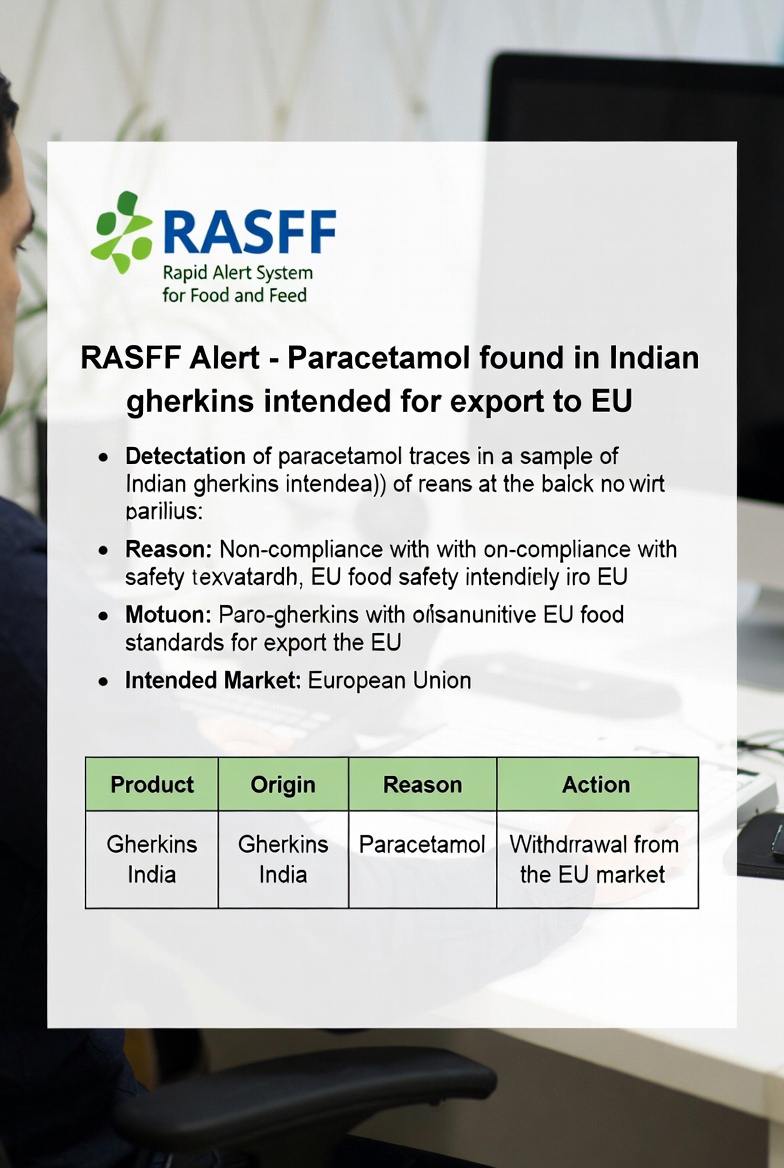
This incident occurred in Slovenia in October 2025, as reported through the European Union's RASFF -Rapid Alert System for Food and Feed network.
During routine border controls, authorities sampled a consignment of non-processed gherkins in acetic acid (3.3%) from an Indian exporter.
Key details:
First incident: In June 2024, paracetamol was detected, along with unauthorized substances like sildenafil and tadalafil in honey paste imported from Turkey. This was notified via RASFF and flagged by Germany or other EU members. It marked the initial rare appearance of this pharmaceutical in food alerts.
The second incident.
The product was manufactured by Blos Showers Agro Private Limited, India and imported by AHAC d.o.o.Slovenia.
Lab testing, initial qualitative screening followed by quantitative analysis in an accredited foreign lab, confirmed paracetamol at a concentration of 28.6 mg/kg.
The entire shipment of 15.2 MT was detained in the importer's warehouse and destroyed before reaching consumers.
This appears to be a rare and unusual contamination case—the second known instance of paracetamol in food recorded in European alerts.
As a precautionary measure, Slovenia's food safety authority (UVHVVR) began additional sampling of various pickled vegetables, including gherkins, peppers, beetroot, onions, and mushrooms from store brands and private labels.
This led to a limited recall of certain deli gherkins, 670-gram packs sold in specific Slovenian retail chains like Mercator Cash and Carry, Jager, Tuš, and Spar.
The source of the contamination remains unclear—it's not believed to be intentional adulteration, unlike cases involving melamine or dyes. but possibly linked to environmental contamination, cross-contamination during processing, or other factors.
No widespread consumer risk was reported in the EU or elsewhere, and the affected batch never entered the market.
India is a major global exporter of gherkins , often used in pickles and sandwiches, and this appears to be an isolated incident flagged at the EU level.
Most Plausible Explanations - Based on Expert Speculation and Reports
A. Environmental contamination via polluted irrigation water
B. Cucumbers/gherkin plants absorb contaminants from water used for irrigation during growth.
C. In regions with poor wastewater management, pharmaceutical manufacturing effluents India is a major global producer of paracetamol APIs can enter rivers/groundwater.
D. Trace residues could be taken up by the plants through roots, accumulating in the fruit/vegetable tissue.
E. This fits patterns seen in other residue cases e.g., antibiotics or heavy metals in crops from contaminated water sources.
Cross-contamination from pharmaceutical waste or improper disposal:
A. Wastewater or runoff from nearby pharma plants/factories contaminating processing water, washing water, or even soil.
B. Some sources mention possible "pharmaceutical waste in production water" as a suspected pathway.
Misuse as an unauthorized preservative/stabilizer - less likely but speculated.
A. Improper/unauthorized addition during processing, to extend shelf life or prevent microbial issues in acidified products.
B. This is viewed as unlikely given paracetamol's properties and lack of efficacy for that purpose, plus the low but detectable level (28.6 mg/kg) not suggesting deliberate high dosing.
Other rare possibilities.
Accidental mixing during shared equipment/processing lines e.g., if a facility handles pharma intermediates.
Analytical false positive ruled out by confirmatory testing in an accredited foreign lab.
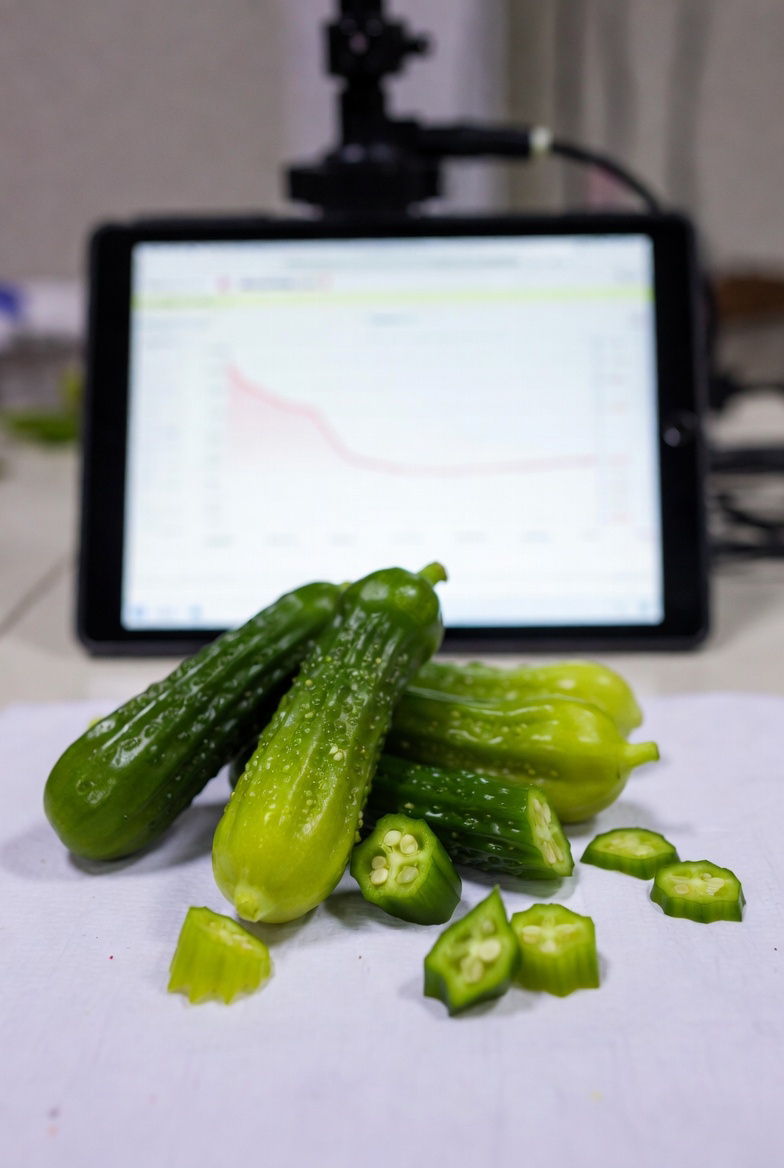
The concentration around 28–30 mg/kg was low enough that a typical serving posed minimal acute risk far below therapeutic doses, but it still triggered alerts due to the anomaly and principle of zero tolerance for non-approved substances.
This appears isolated—no similar detections in other Indian gherkin exports or follow-up batches have been widely reported since the initial alerts and sampling.
Indian gherkin exporters, major suppliers to Europe face strict EU residue limits, and incidents like this often prompt enhanced supplier audits and water quality testing.