
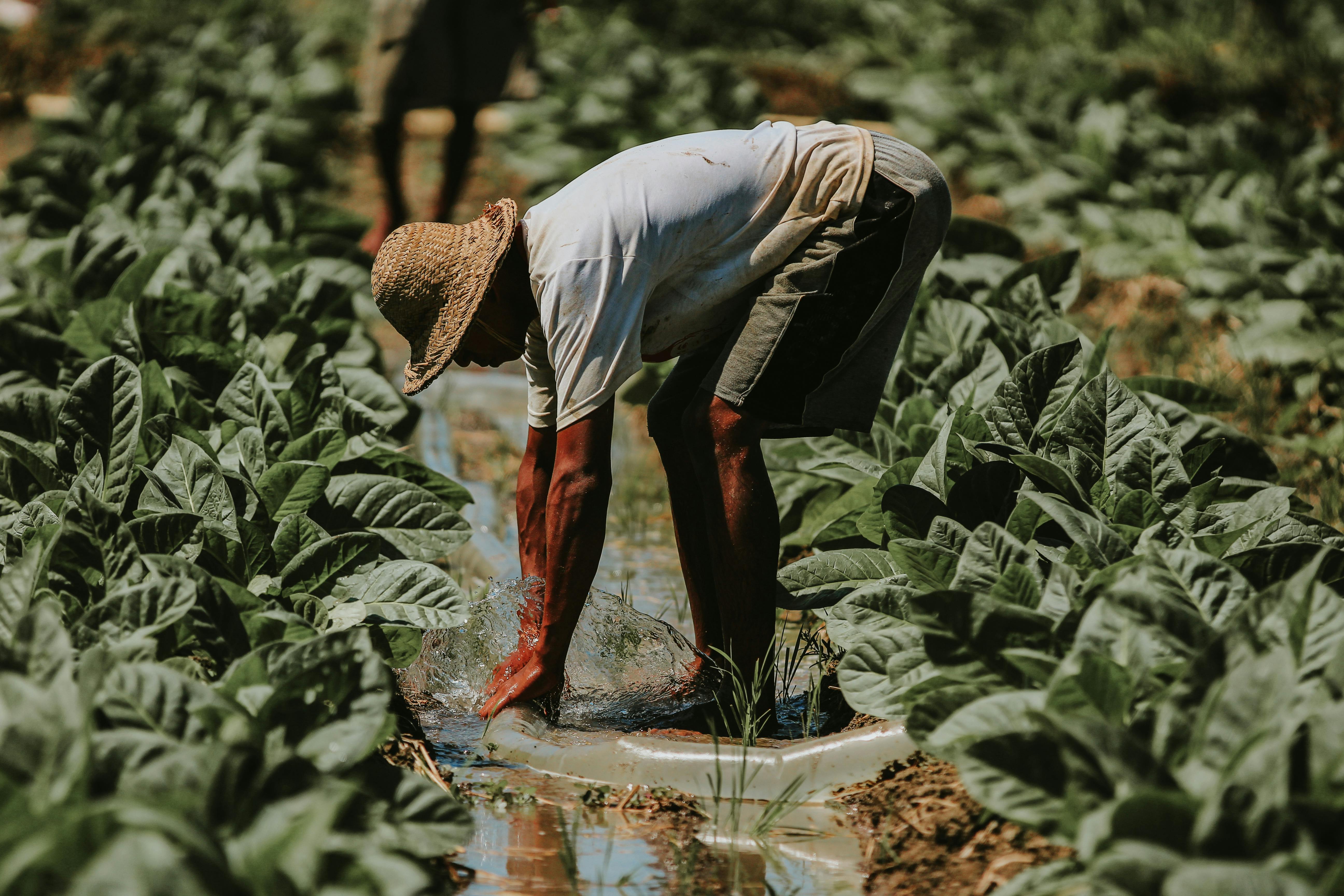
Sustainable farming practices from seed to harvest
Our agricultural operations span across Karnataka and Tamil Nadu, where we partner with local farmers through contract farming agreements. This collaborative approach ensures consistent quality while supporting farming communities.
Every vegetable we grow follows stringent agricultural practices, from soil preparation to harvest, ensuring that only the best produce reaches our processing facilities.
Partnership-driven agriculture across South India
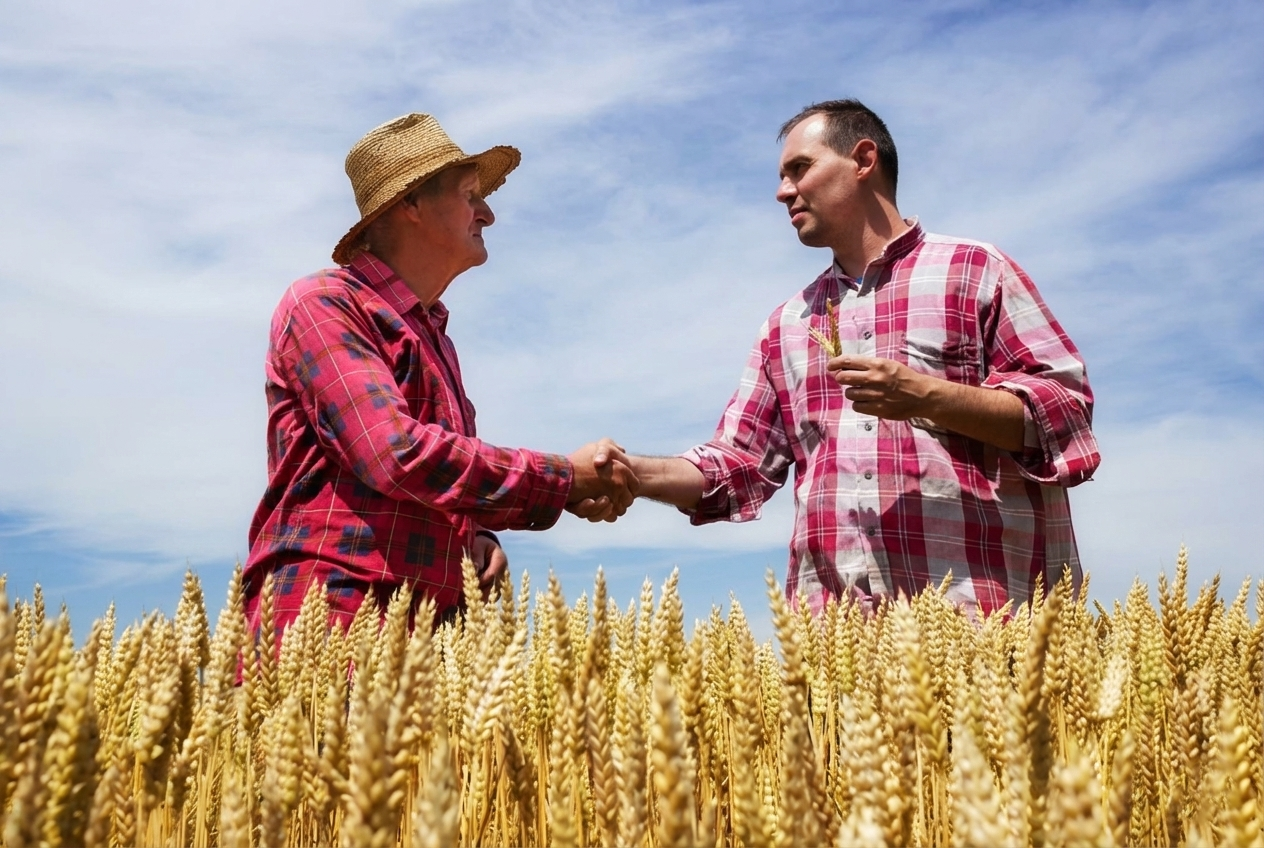
Seven Hills implements contract farming of vegetables spread over South India in the 2 states of Karnataka and Tamil Nadu. This model ensures quality control from the very beginning of the cultivation process.
Annually, in two semesters, 1000 acres of crop is cultivated under contract farming in these 2 states, providing consistent supply and supporting local farming communities with guaranteed procurement.
Strategic farming locations across Karnataka & Tamil Nadu
Primary farming region with extensive acreage across multiple districts. Ideal climate and soil conditions for vegetable cultivation.
Strategic farming locations with favorable growing conditions. Contributes significantly to our annual production capacity.
Compliant with international standards
Our produce is cultivated under cluster sowing method, ensuring uniform growth, efficient resource utilization, and easier management of crops.
Package of practice for usage of pesticides and fertilizers meets USFDA and European Union (EU) regulations/norms, ensuring export readiness.
Our produce undergoes a short and efficient lead time between harvest to processing, ensuring maximum freshness and nutritional value retention.
Strategic planning for year-round supply
Primary cultivation period with optimal growing conditions. Covers 500 acres across Karnataka and Tamil Nadu.
Complementary cultivation period ensuring consistent annual supply. Another 500 acres cultivated with crop rotation benefits.
1000 acres cultivated annually across two semesters, ensuring consistent supply and optimal land utilization