
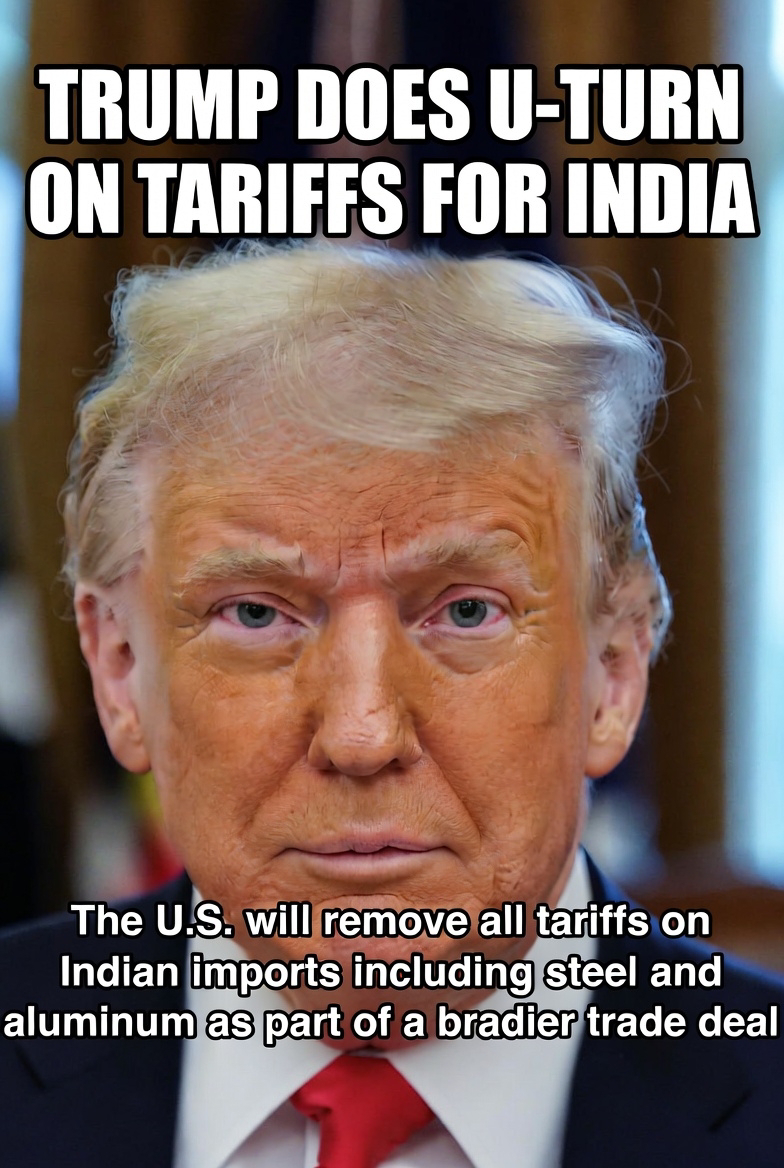
It's announced on February 2, 2026, by US President Donald Trump and Indian Prime Minister Narendra Modi and its a landmark judgement for the future INDIA - US trade deal.
This followed a period of high tensions in 2025, when the US imposed steep tariffs—initially a 25% "reciprocal" tariff, escalating to a combined 50%, including an additional 25% punitive duty tied to India's purchases of Russian oil—effective around August 2025.
These high tariffs significantly hurt Indian exporters, particularly in labor-intensive sectors. The deal slashes US tariffs on most Indian goods from 50% to 18%, removing the punitive component and aligning India's rate more favorably with many Asian competitors e.g., Vietnam at 20%, Bangladesh at 20%, China higher at 30-35% or more in some cases.
This change is expected to take effect soon via a US executive order, following a joint statement with full formal agreement possibly in mid-March 2026.
In exchange, India has committed to reducing its own tariffs and non-tariff barriers on US goods, potentially to zero in many areas, though agriculture protections remain, increasing purchases of US products including energy and defense, with aspirational targets up to $500 billion over time, and shifting away from Russian oil imports toward US and other sources.
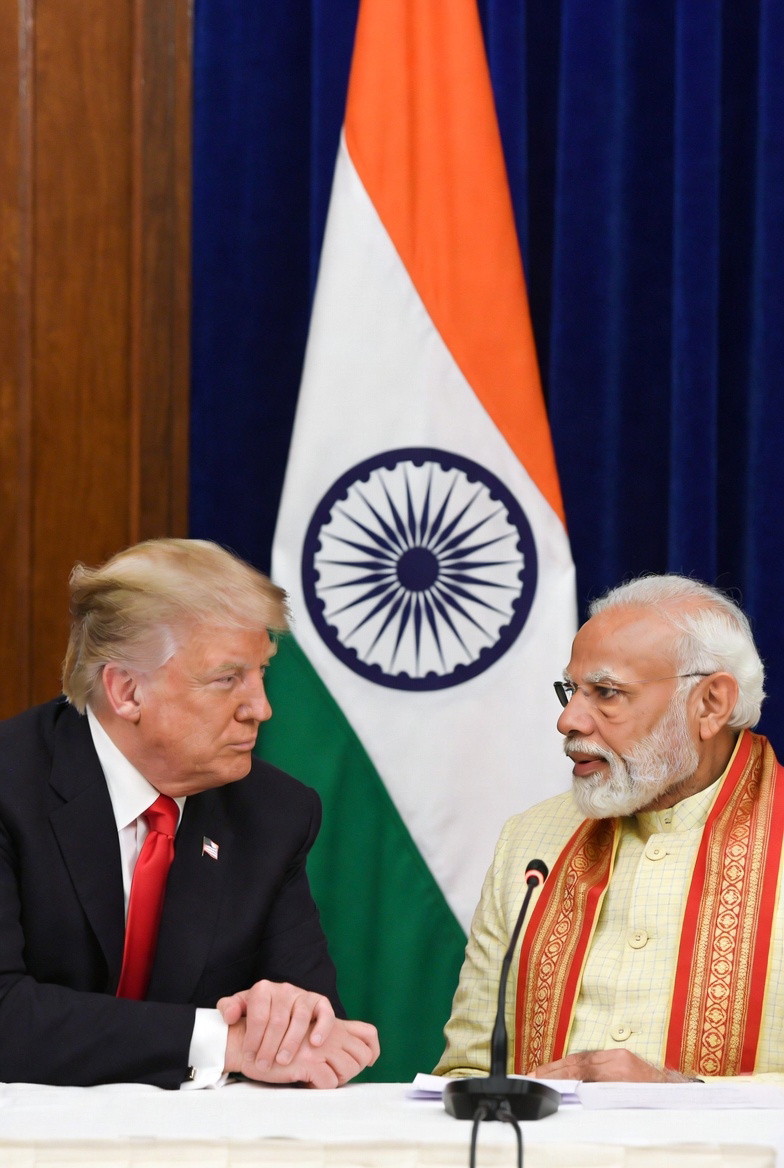
Prior Negative Impact -2025 High Tariffs.
The 50% tariffs acted as a major drag, raising costs and reducing competitiveness for Indian suppliers.
Exports to the US, India's largest single market, $87-95 billion annually faced pressure in key sectors.
textiles/apparel, gems/jewelry, seafood, leather, auto parts, chemicals, and steel/aluminum.
Growth slowed or declined in affected categories like, textiles and garments saw drops, with some estimates suggesting potential losses of billions in export value.
Despite this, India's overall exports showed resilience in late 2025 e.g., 20% growth to the US in November, partly via diversification and exemptions in areas like pharmaceuticals.
This revision provides significant relief and upside for Indian export suppliers:
Improved Competitiveness — The 18% rate gives India a edge over peers like Vietnam, Bangladesh, Thailand, and especially China facing higher duties in many categories.
This is particularly beneficial for price-sensitive, margin-thin sectors.
Sector-Specific Boosts:
Textiles, Apparel, and Garments — Revival in orders expected; now marginally lower duties than Bangladesh/Sri Lanka 20%, aiding market share gains.
Medical Devices and Pharmaceuticals — Enhanced price edge over Chinese suppliers; potential for billions in added US market access amid "China+1" shifts.
Specialty Chemicals — Lower burdens improve margins and pricing power US accounts for 20% of India's chemical exports.
Other Areas — Gems/jewelry, auto parts, electronics, and machinery see eased pressure and better integration into US supply chains.
Exporters' Response — Industry bodies Federation of Indian Export Organisations and companies welcome it as a "game changer" for regaining US market ground and boosting earnings.
# While details are still being finalized like exact product coverage, timelines, the tariff cut is widely seen as a strategic win for Indian exporters.
# De-escalating tensions and fostering stronger bilateral ties. Sensitive areas like Indian agriculture remain protected in the deal. Overall, this revision shifts the outlook from headwinds to tailwinds for Indian export suppliers to the US.
Conclusion
Overall, the tariff revision has been a major catalyst, reigniting optimism in Dalal Street after months of pressure from high duties and global uncertainties.