
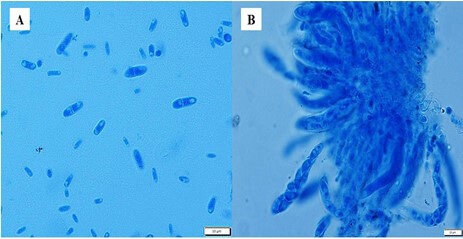
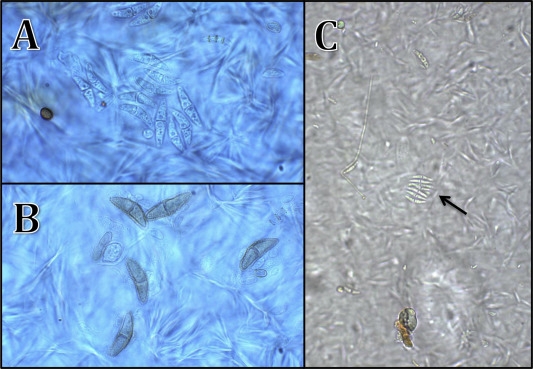
These species are morphologically similar but genetically distinct, and at least two have been
confirmed in severe outbreaks on gherkins since 2008.
GSB Occurrence
GSB is a widespread and devastating disease in cucurbits globally, thriving in warm, humid
conditions like optimal around 20–25°C with high moisture >90%.
In India, severe epidemics on gherkins have been reported since 2008, especially in Karnataka, a key
production area.
These outbreaks have significantly impacted yields. The disease can occur in open fields,
greenhouses, or during transplant stages, spreading via infected seeds, crop debris, wind-dispersed
spores, rain-splashed conidia, or contaminated tools/transplants.
It survives in soil, on undecomposed plant material, or as seedborne inoculum for years. Gherkins
are particularly vulnerable due to intensive cultivation in humid regions.
GSB Symptoms
Leaves: Small, circular, tan to brown water-soaked spots that expand, often
starting at margins, forming concentric rings or target-like patterns; leaves blight and die.
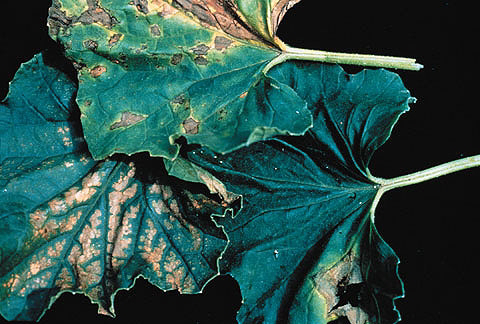
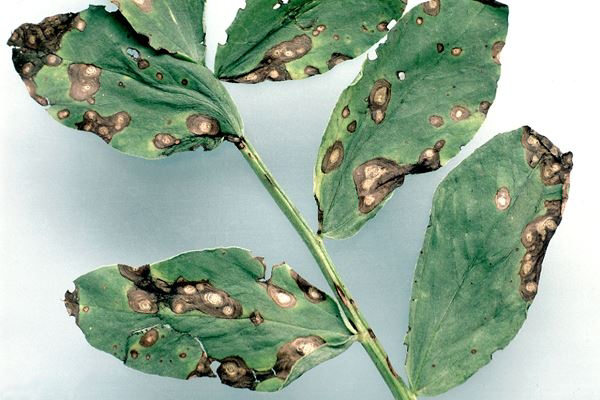
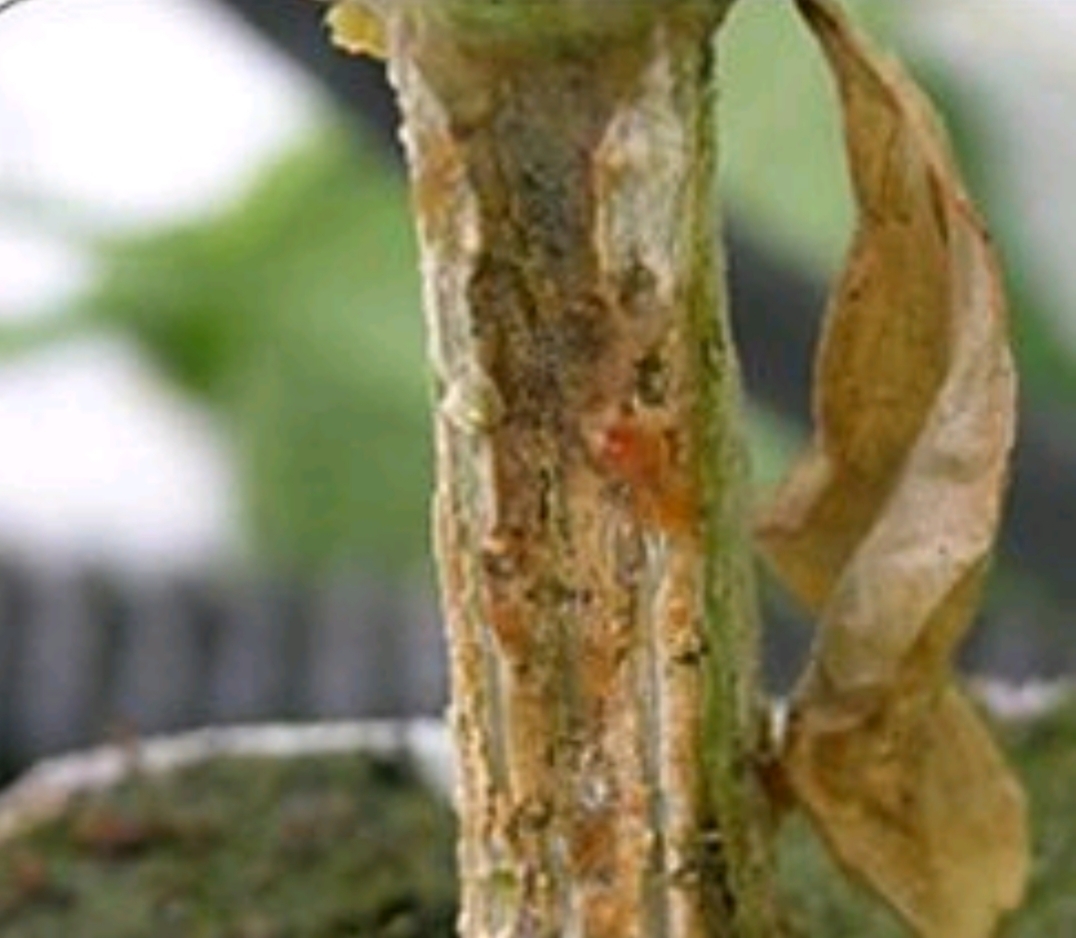
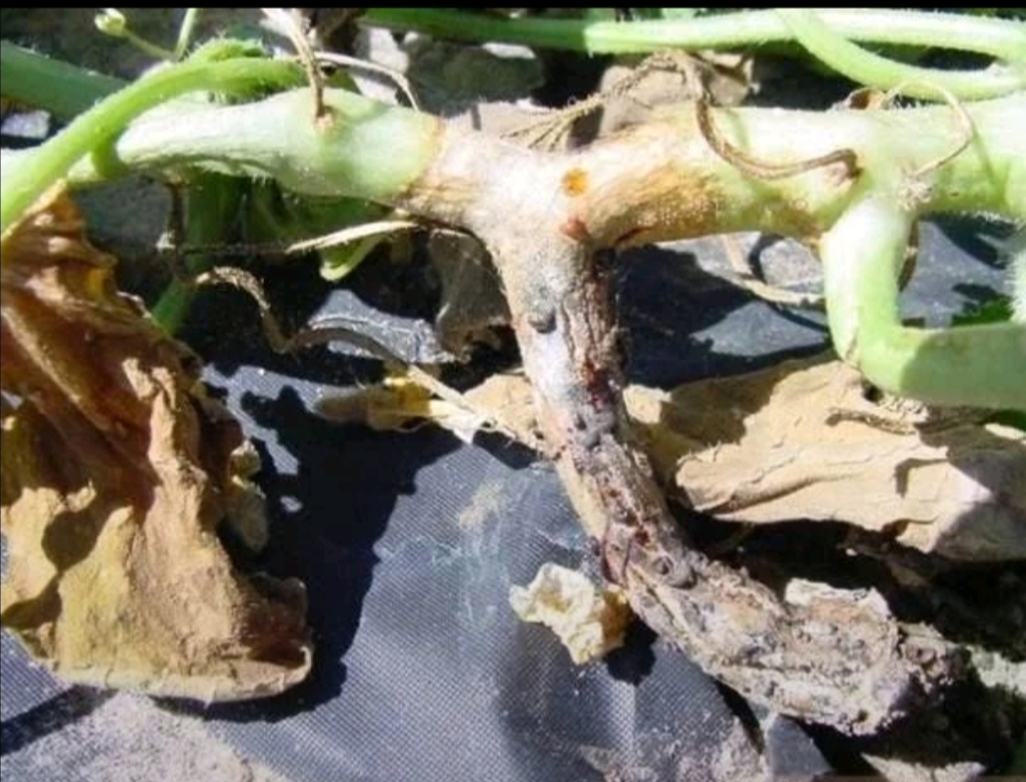
Stems and vines: Oval/elongated cankers near nodes, dark and water-soaked, cracking open with characteristic reddish-brown or amber gummy exudate (ooze) — the hallmark feature giving the disease its name.
Fruits: Black rot (greasy green lesions turning brownish-black), internal decay, or rot, reducing marketability (especially critical for pickled gherkins).
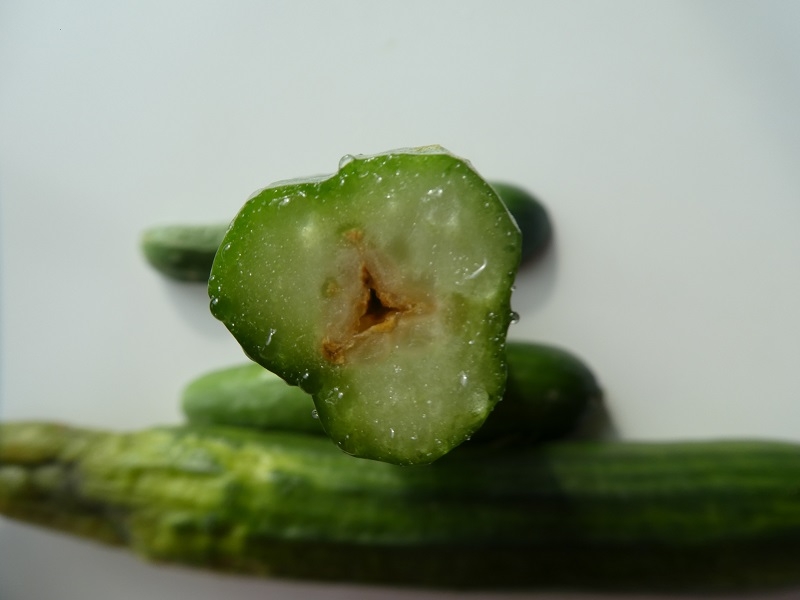
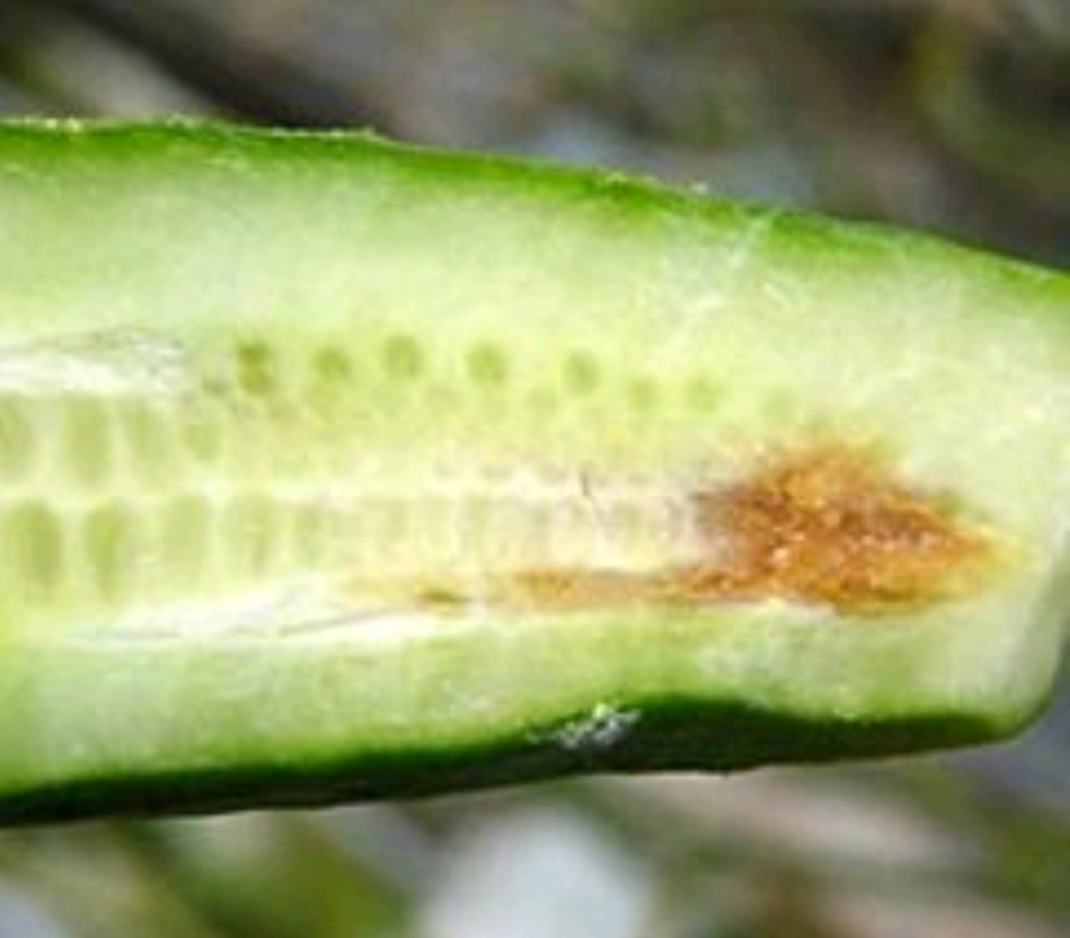
In seedlings/transplants: Necrotic leaf margins, stem lesions, and gummy ooze. Early infections can devastate young plants, while advanced cases lead to vine collapse and major yield losses.
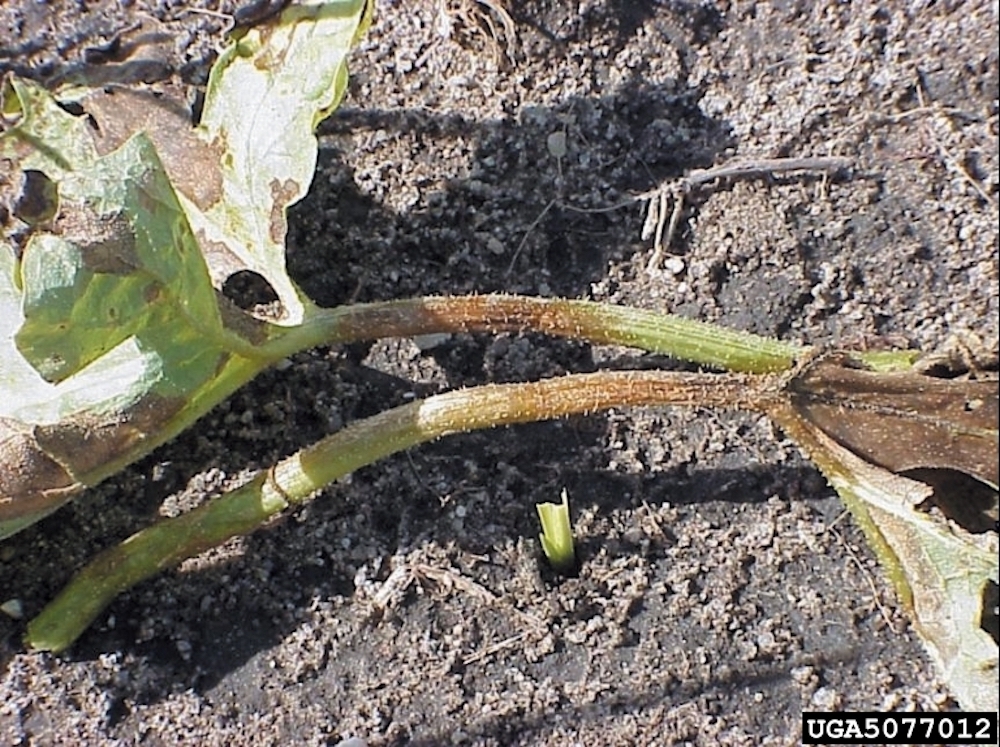
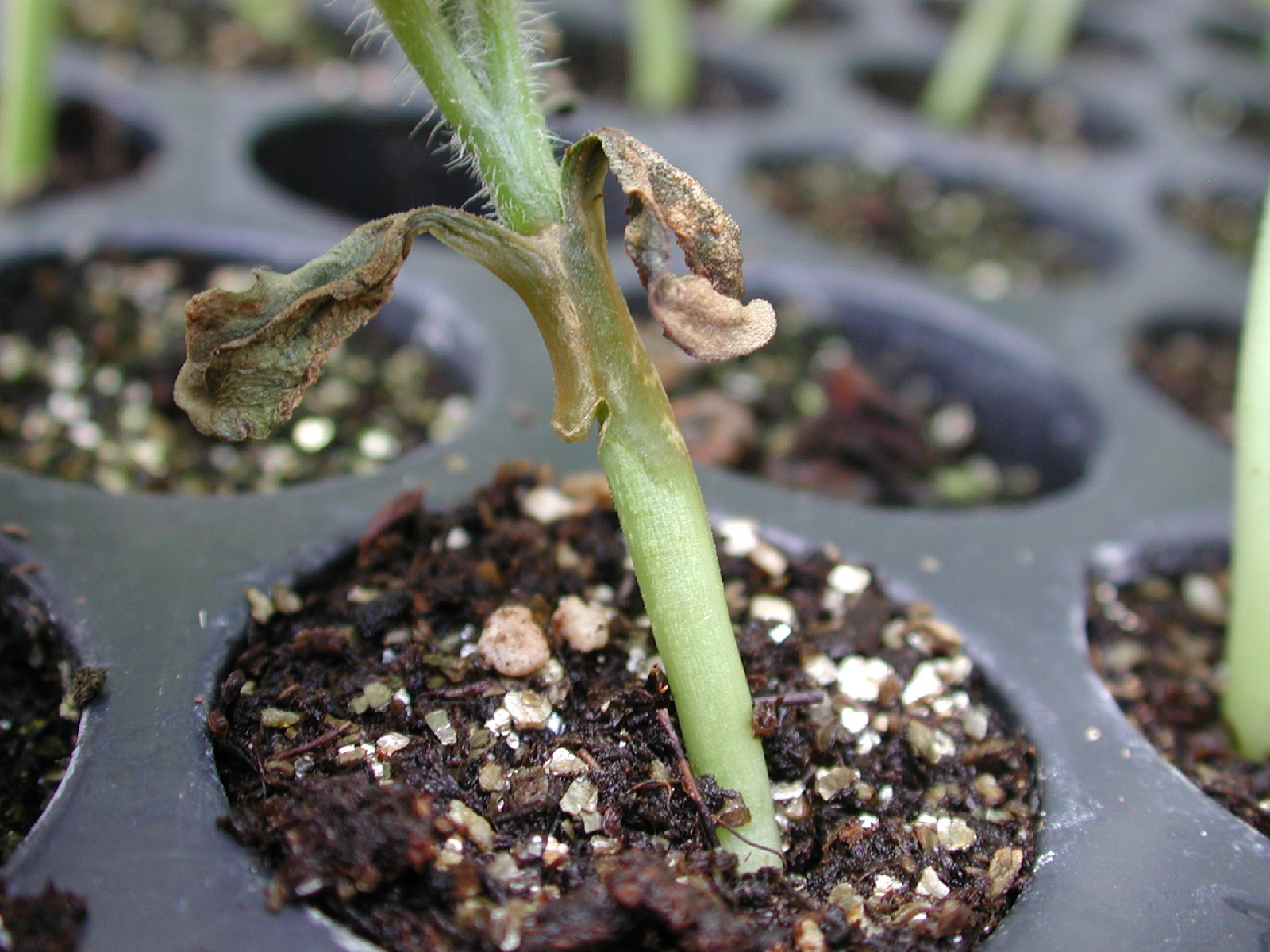
Management.
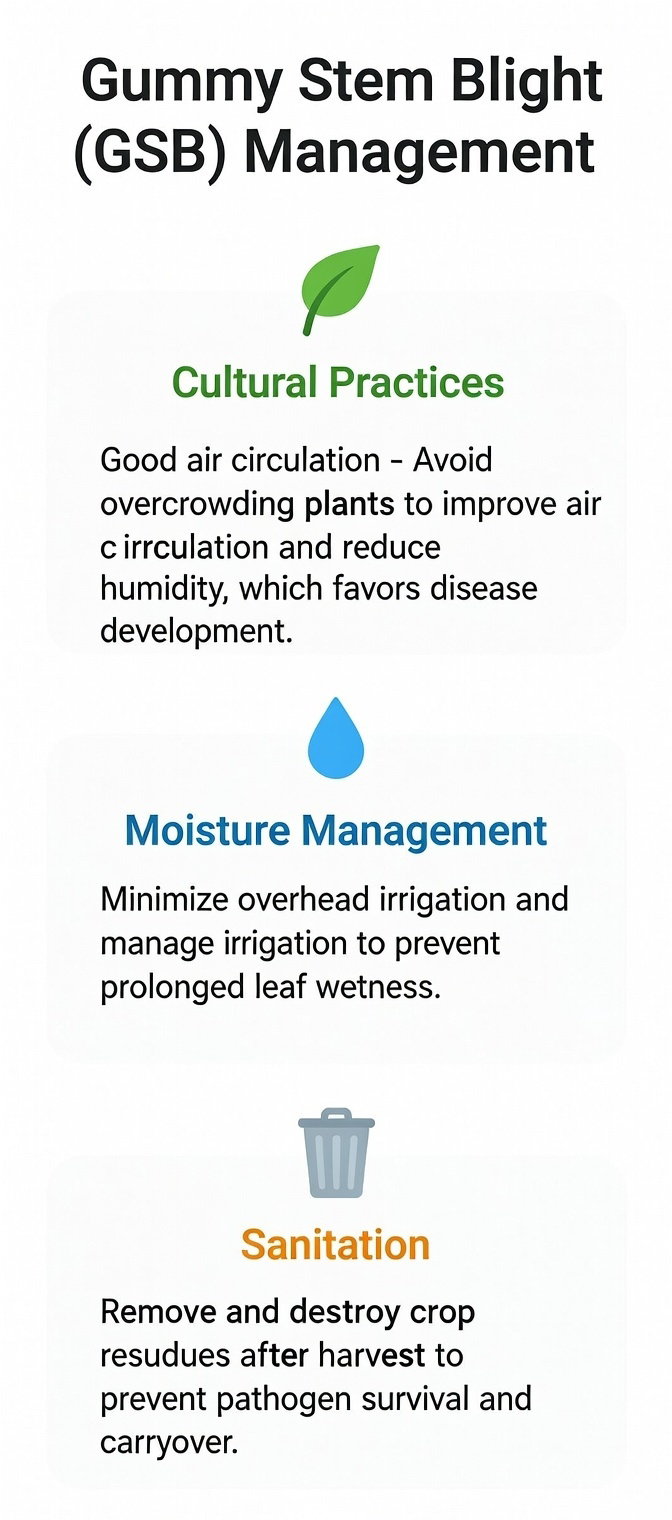
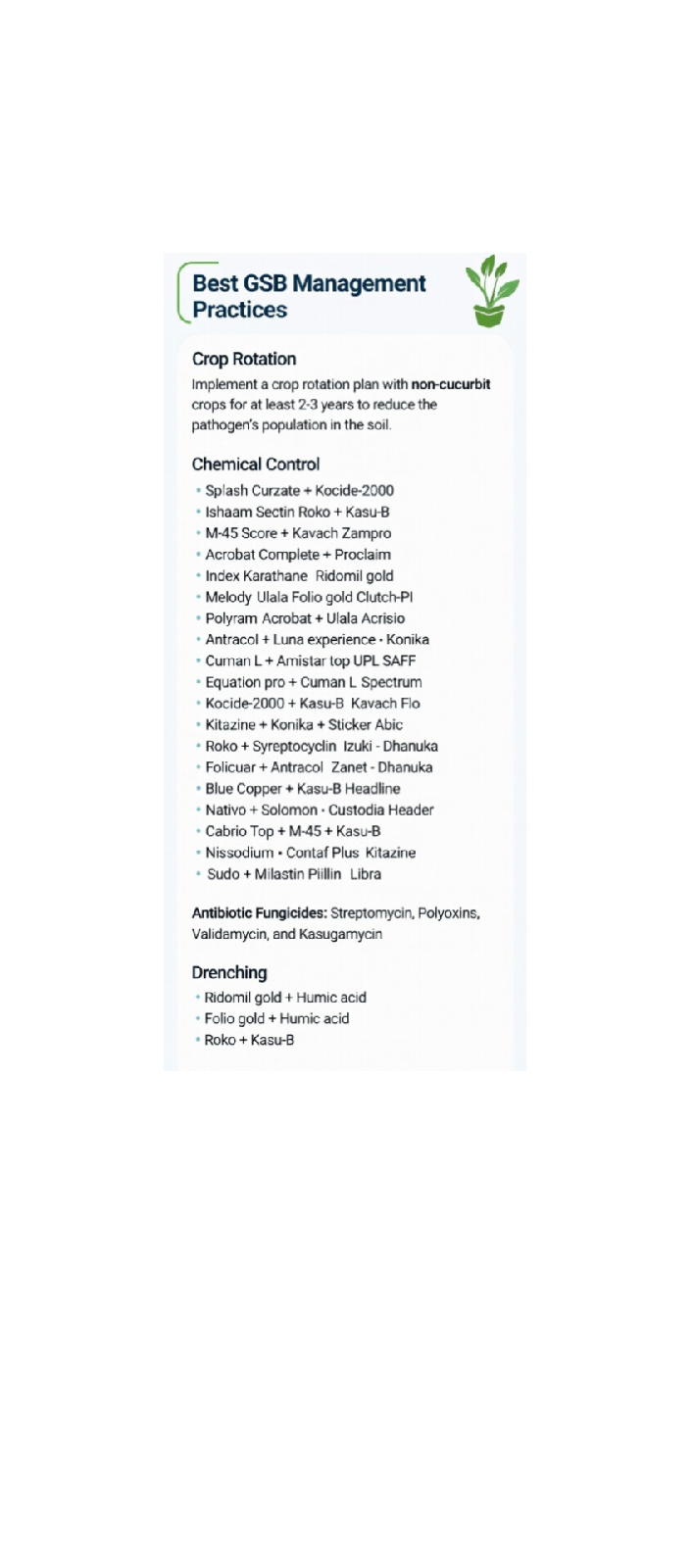
In India-specific studies, some fungicides and bioagents have shown efficacy against isolates from
gherkin outbreaks.
If you're dealing with this in a specific region near Andhra Pradesh or Karnataka, local
agricultural extension services can provide tailored advice based on current conditions. Early
scouting and prevention are crucial to minimize losses in gherkin crops.