
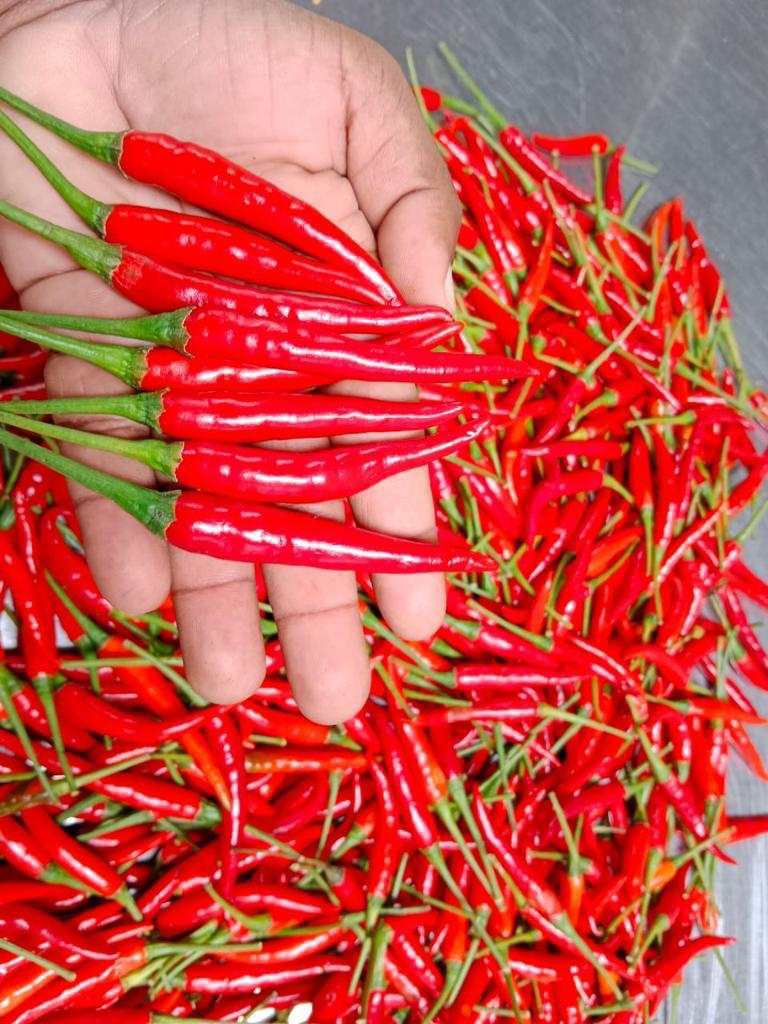
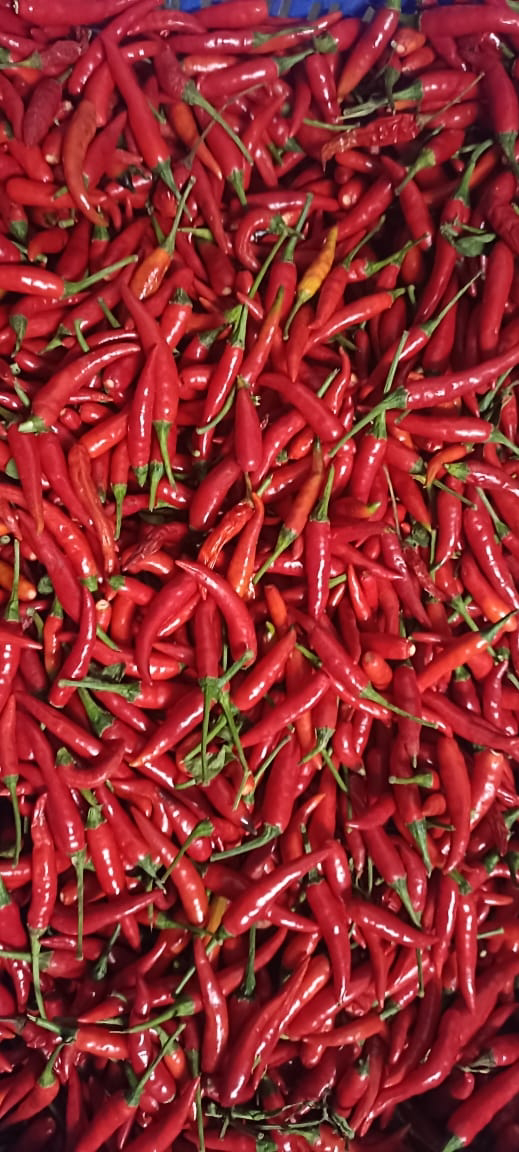
The Peri Peri Chilly graded as length wise and sometimes destem before or after washing depend on the work force availability and production plan.
The chilies are soaked and washed batch wise and taken for the preservation and initially preserved in low salt brine and to avoid the sudden tissue damage to the chillies.
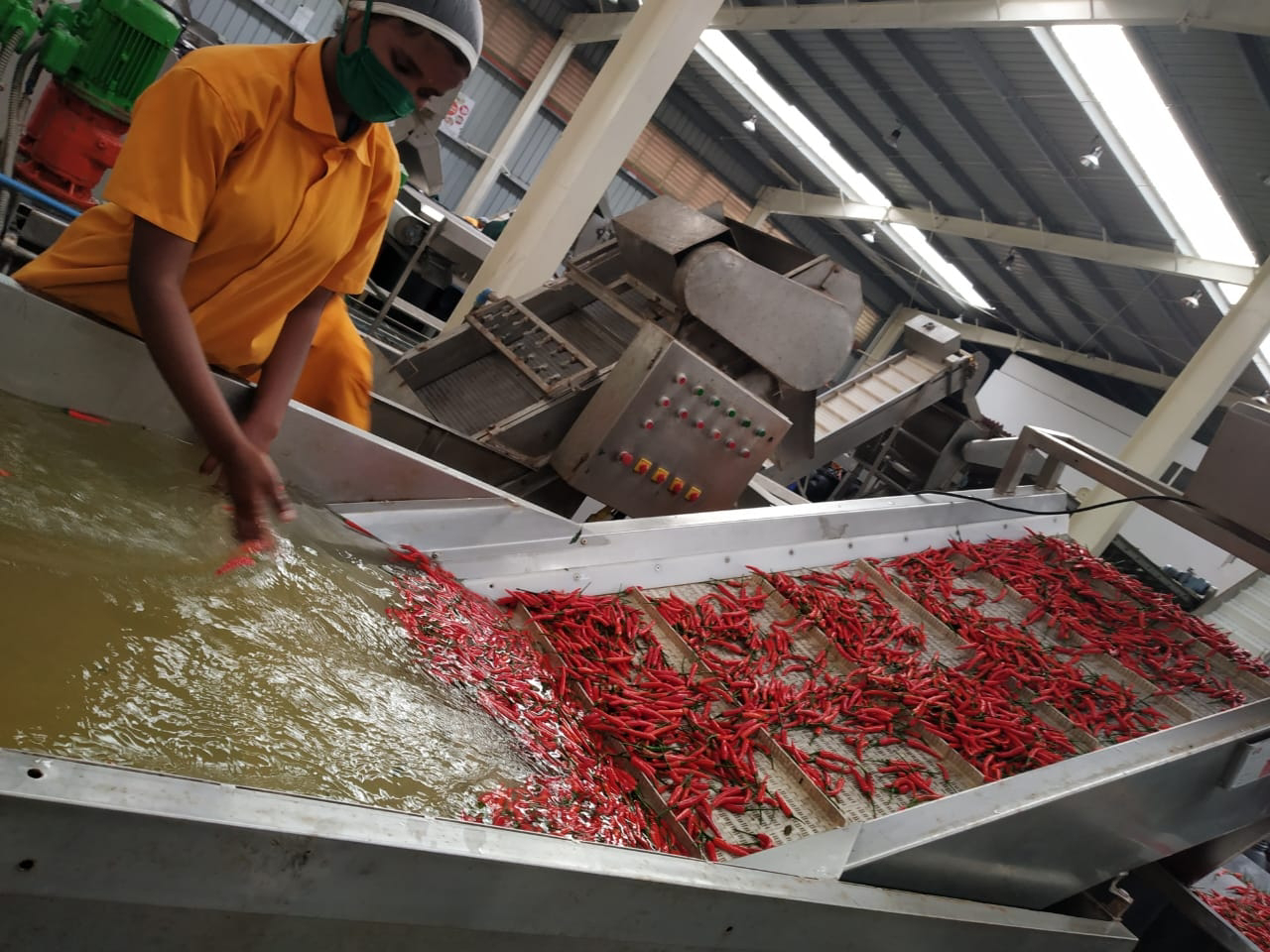
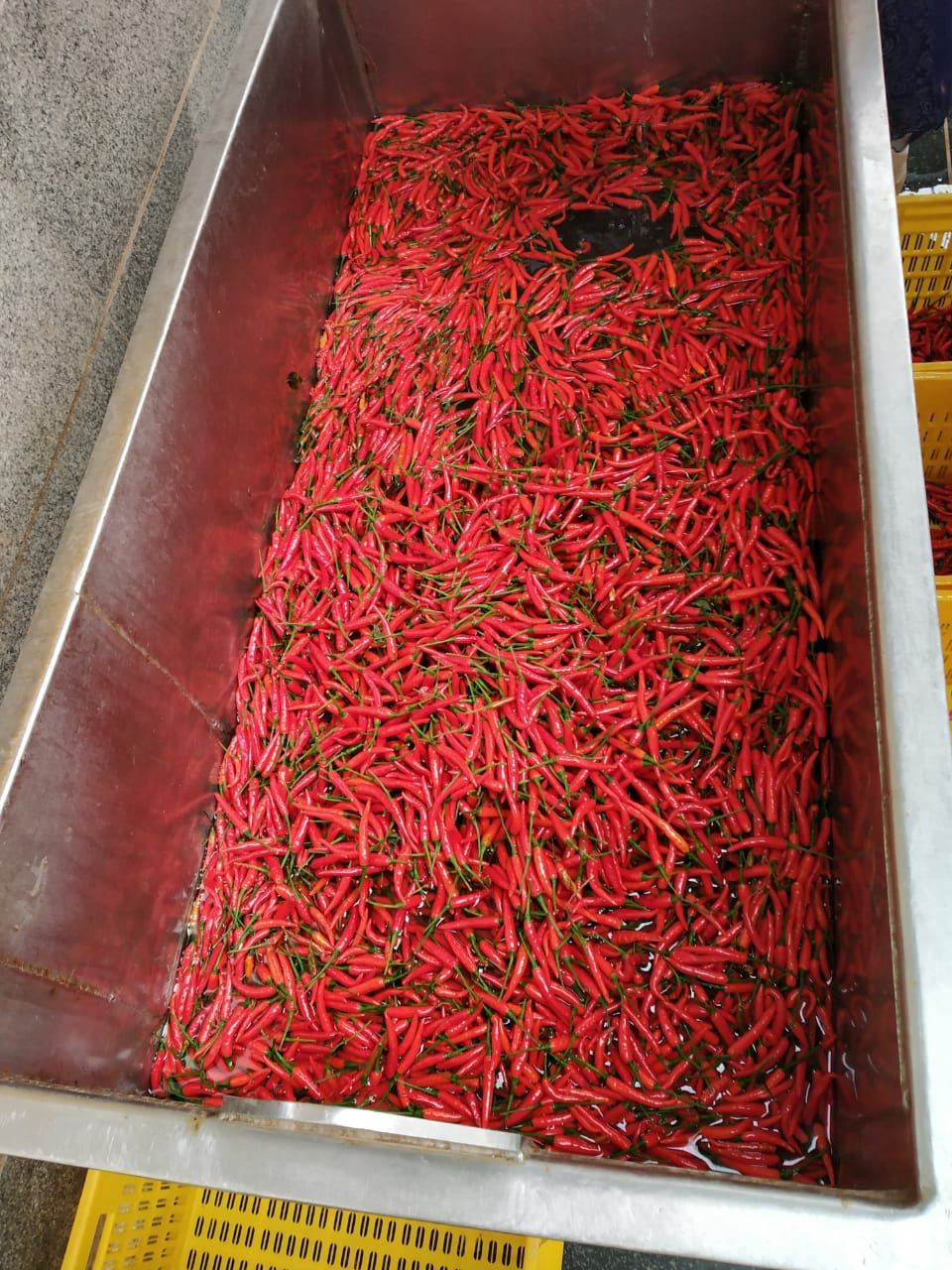
And the chillies are preserved in drums based on the capacity and allow for sunlight.
Daily and periodically, cleaning activities need to do and meantime brined chillies develop a characteristic flavour of the brined Peri Peri product.
When Peri Peri Red chillies are fermented in a brine solution, typically 3–5% salt, a natural lactic acid fermentation, lacto-fermentation occurs.
This is driven primarily by Lactic Acid Bacteria such as Lactobacillus, Lactiplantibacillus, Leuconostoc, and Weissella species that are naturally present on the chillies or in the environment.
We are about to observed following below step-by-step breakdown of the key physical and chemical changes:
1. Initial Stage : Brine Equilibration & Microbial Selection.
From first 04 to 05 days Salt draws water and sugars out of the chilli tissues via osmosis by physical process.
This creates an anaerobic, low-oxygen environment.
High salt initially inhibits many harmful bacteria e.g., Enterobacteriaceae, while salt-tolerant LAB begin to dominate.
CO₂ production starts → visible bubbling and slight pressure build-up.
pH begins to drop slowly from < 5.5–6.0.
2. Brine fermentation stage : Acidification
LAB consume reducing sugars such as glucose and fructose naturally present in the chillies.
Key biochemical reaction
Homofermentative pathway dominant:
Sugars → Lactic acid + small amounts of acetic acid, ethanol, CO₂.
Titratable acidity increases and pH drops sharply to 3.0–4.0, usually below 3.8 for safety and stability.
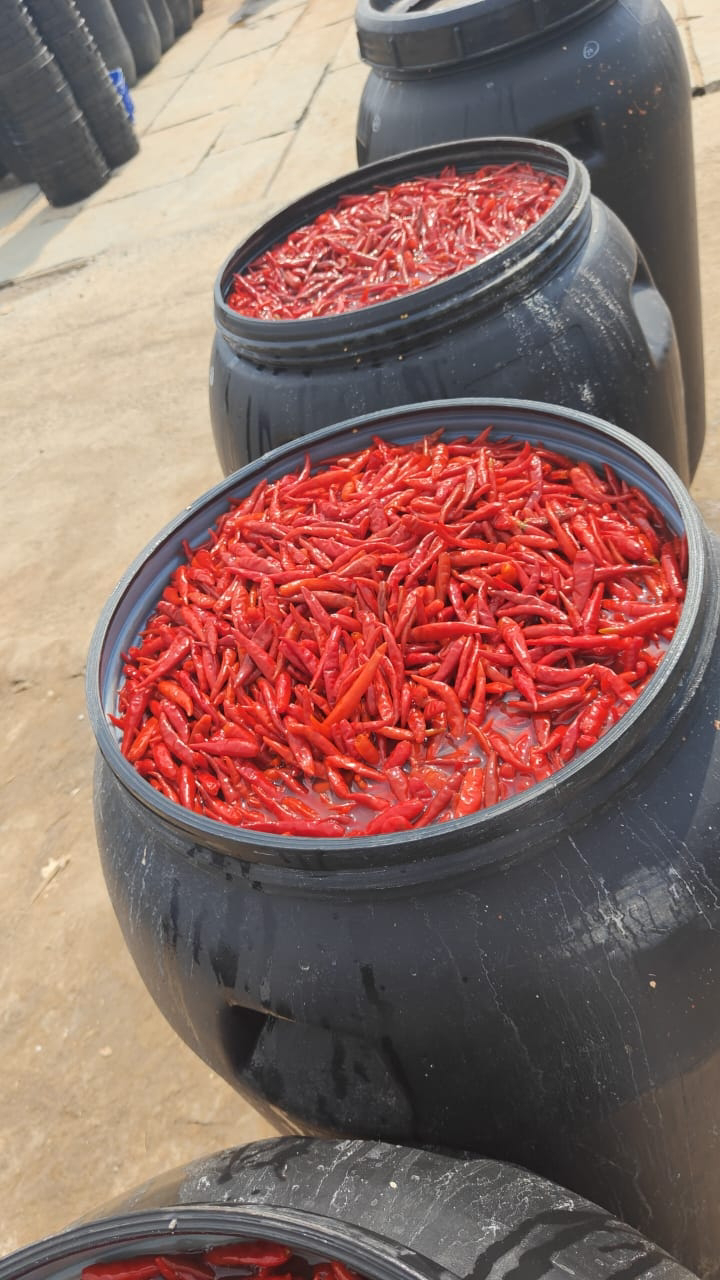
This low pH acts as a natural preservative by inhibiting pathogens and spoilage microbes.
3. Flavor & Aroma Development
Breakdown of proteins → free amino acids (umami/savoury notes)
Production of volatile compounds: esters, alcohols, sulfur compounds, and organic acids → complex tangy, fruity, and aromatic profile, different from fresh chillies.
Pectin and cell wall components partially break down → softer texture over time.
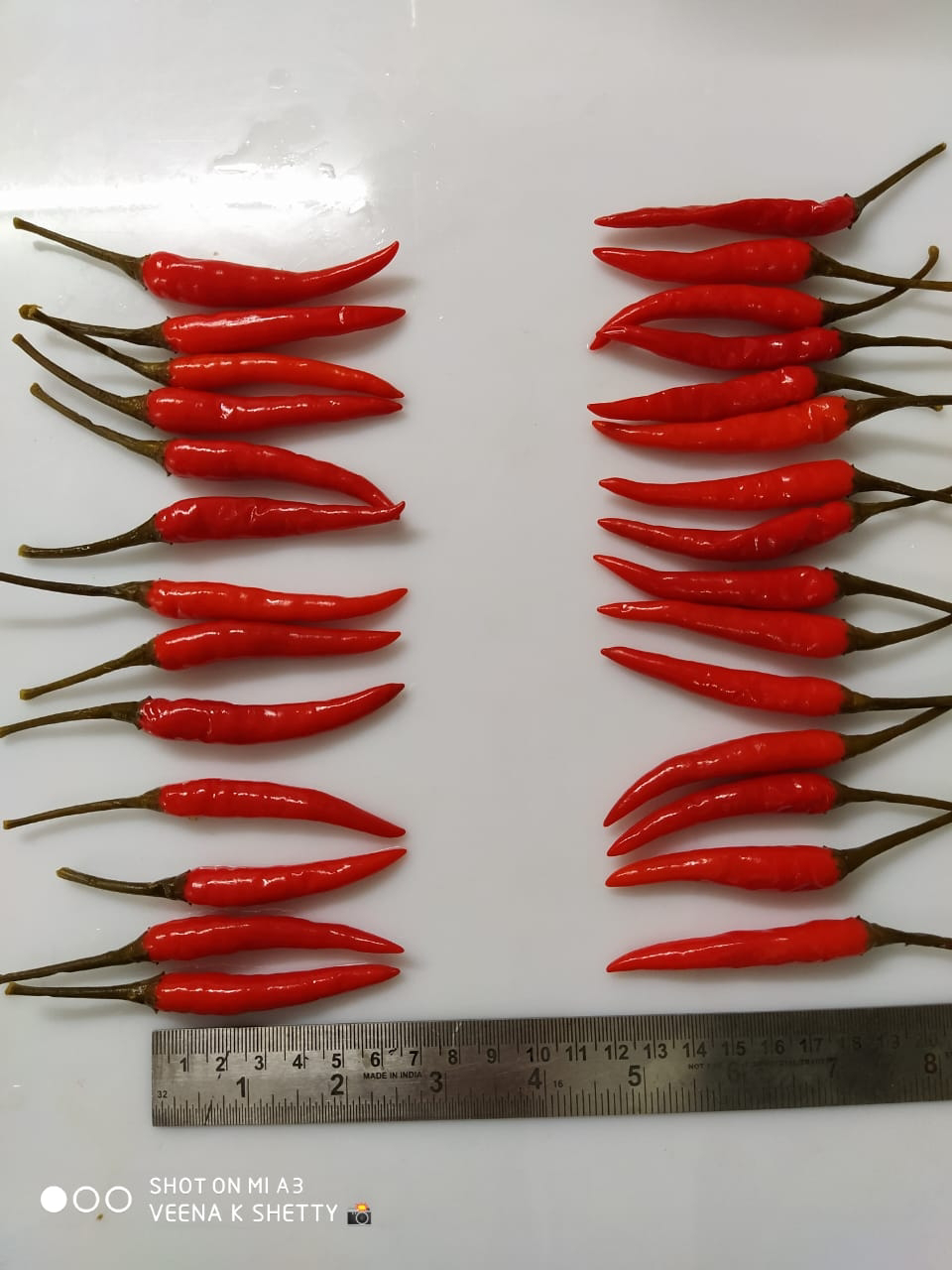
4. Changes to Bioactive Compounds
Capsaicinoids (the heat compounds in Peri Peri): Generally stable; levels often remain similar or slightly decrease. Fermentation can mildly mellow perceived heat due to the acidic environment and other flavor compounds balancing it.
Vitamin C (ascorbic acid): Moderate loss (around 15–20% typical), but much is retained compared to other preservation methods.
Phenolics & antioxidants: Can increase in bioavailability or diversity due to microbial enzymes.
Pigments (chlorophylls, carotenoids) may shift → slight color changes (e.g., greener to more olive/yellowish tones).
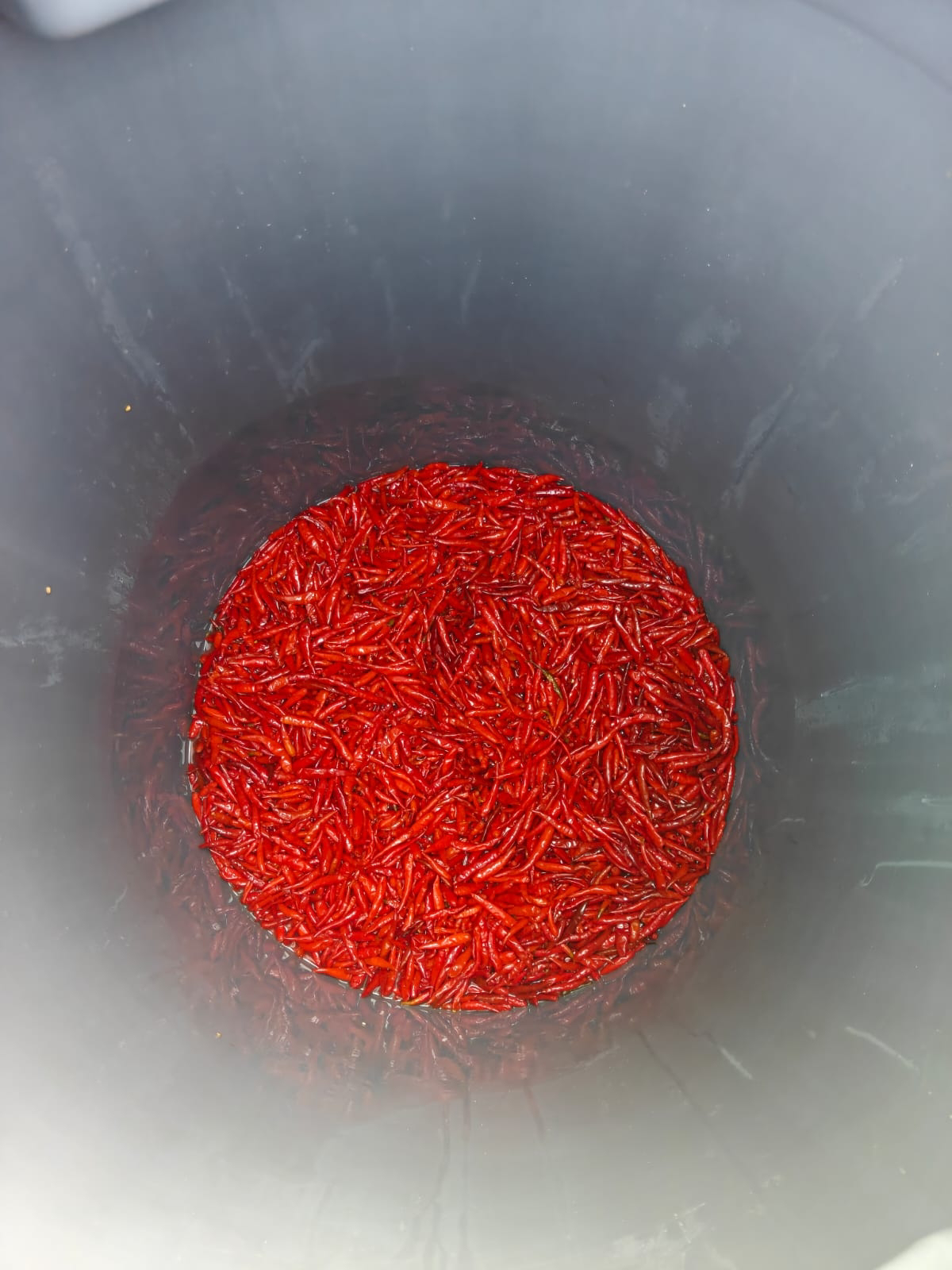
5. Physical Changes.
Chillies become softer and more pliable.
Brine becomes cloud, from bacterial activity and released particles.
Gas production peaks then slows.
Overall mass/weight loss due to osmosis and metabolism.
Why It Becomes Probiotic ?
The final product contains live LAB ,often 10⁶–10⁸ CFU/g, making your “Probiotic Peri Peri Chilli in Brine” a source of beneficial bacteria for gut health.
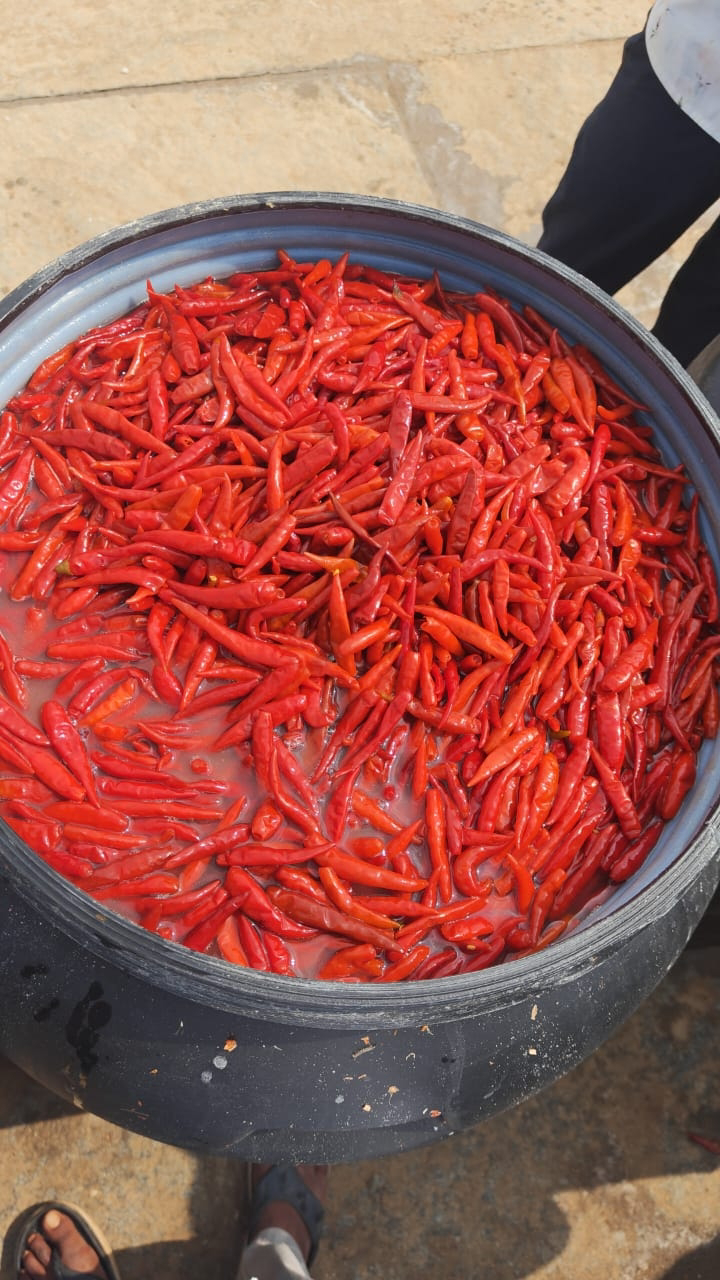
Summary of Main Outcomes:
Preservation: Low pH + lactic acid + salt.
Flavor: From fresh/spicy → tangy, complex, deeper umami.
Nutrition: Enhanced digestibility, probiotics, retained antioxidants.
Safety: pH < 4.0 makes it shelf-stable in the fridge for months.
Your existing brine-fermented Peri Peri is already undergoing or has completed these processes — you can use the chillies and brine directly for hot sauce by blending.
Monitoring pH Levels During Peri Peri Chilli Fermentation.
pH monitoring is one of the best ways to track fermentation progress, confirm safety, by ensuring acidity inhibits harmful bacteria like Clostridium botulinum and decide when your probiotic brine pickles or hot sauce base is ready.
Target pH Levels for Safety & Quality
Start: Fresh brine + chillies usually start around pH 5.5–6.5.
Safe threshold: Below 4.6, FDA guideline for acidified foods. Fermentation should reach this within a few days at room temperature.
Recommended for home ferments especially hot sauce or long-term storage. 3.5–4.0 or lower for a safety buffer and better flavor/tang.
Many aim for ~3.7 or below before blending into sauce, Your ferment is typically considered stable and probiotic-rich once it stabilizes in the low 3salt to mid-4 salt.
Active fermentation window: LAB thrive best around 20–30°C, but cooler is often better for complex flavors.