
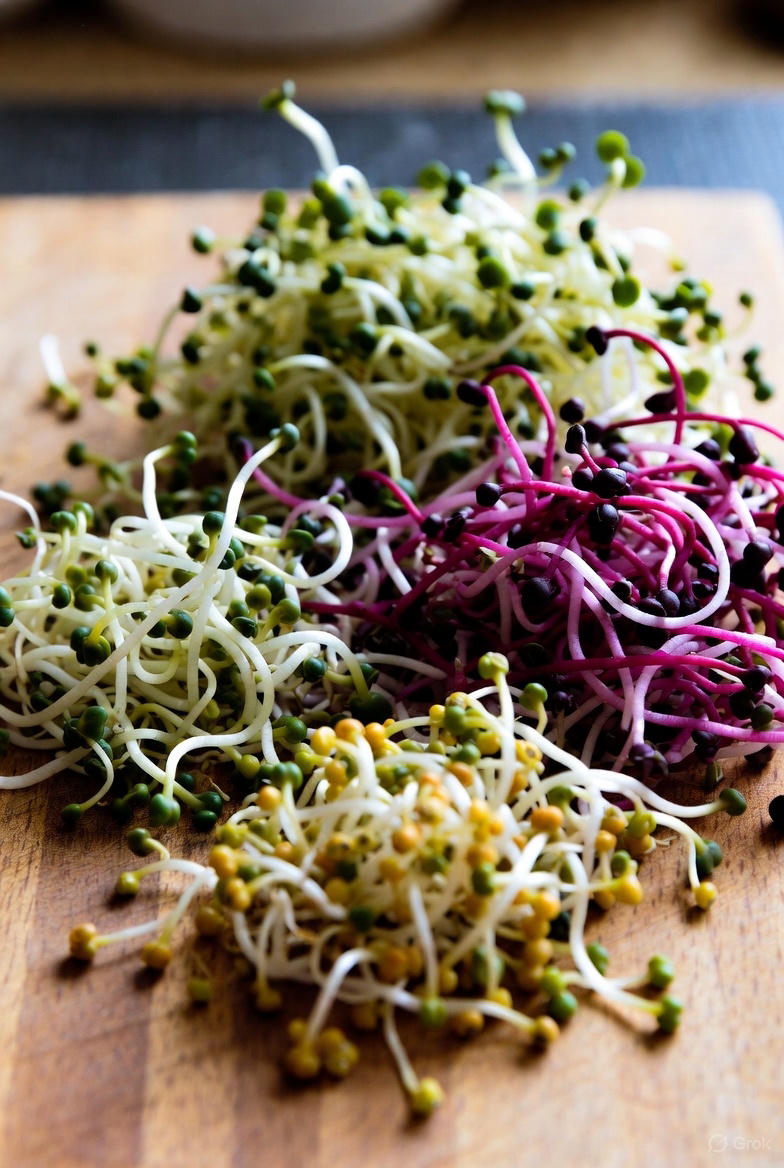
Traditional fermented soy foods like natto in Japan, origins around the 11th century or earlier, from fermented whole cooked soybeans and douchi in China, over 2,000 years old, use cooked soybeans, not deliberately sprouted ones.
Soy sprouts or kongnamul are popular in Korean cuisine and sometimes included in kimchi variants, but kimchi itself dates back over 2,000 years and traditionally ferments vegetables like cabbage or radish, not specifically sprouts as the base.
Recent food trends given a tremendous scope for this category of food sector..
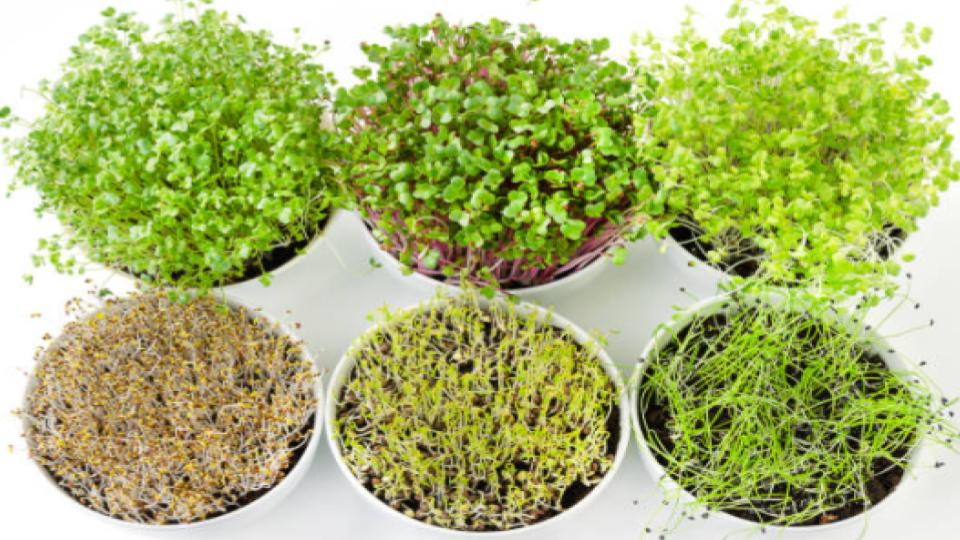
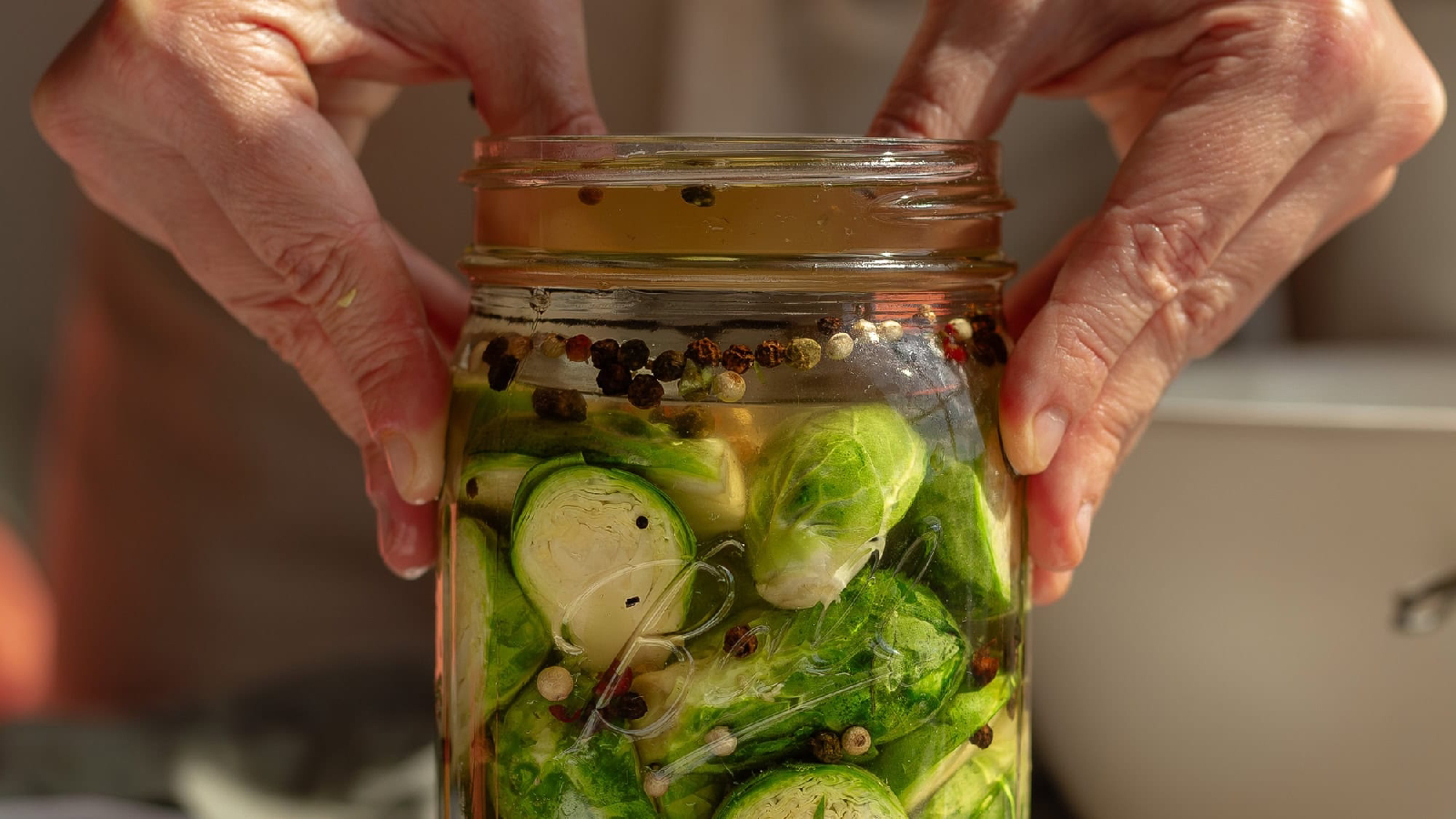
Most recent references to fermenting sprouts are beans sprouts and mustard sprouts, mung bean, lentil, broccoli, or Brussels sprouts come from contemporary blogs, recipes, and experiments starting in the 2010s or earlier.
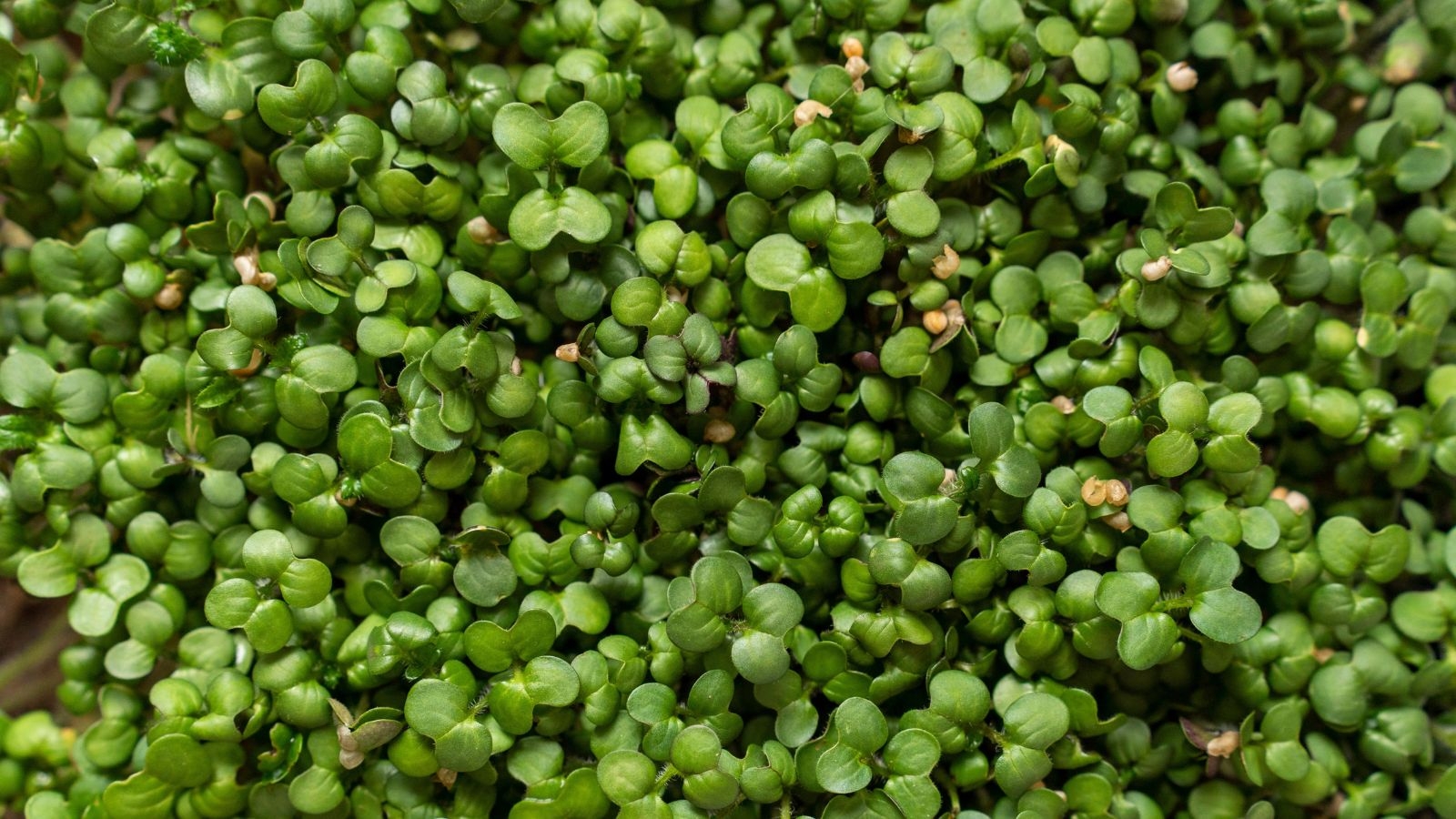
These are often lacto-fermented in brine for probiotic benefits, but they lack deep historical roots in traditional cultures.
In summary, while fermentation and sprouting individually trace back millennia especially in Asian traditions, the history of fermented sprouts as a distinct food likely dates back only to the late 20th or early 21st century, driven by modern nutrition trends rather than ancient practices.
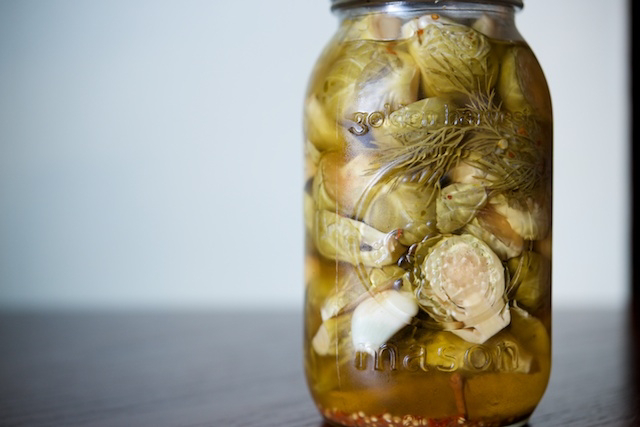
Why the PROBIOTIC or fermented sprouts are miracle foods
- Improves gut health.
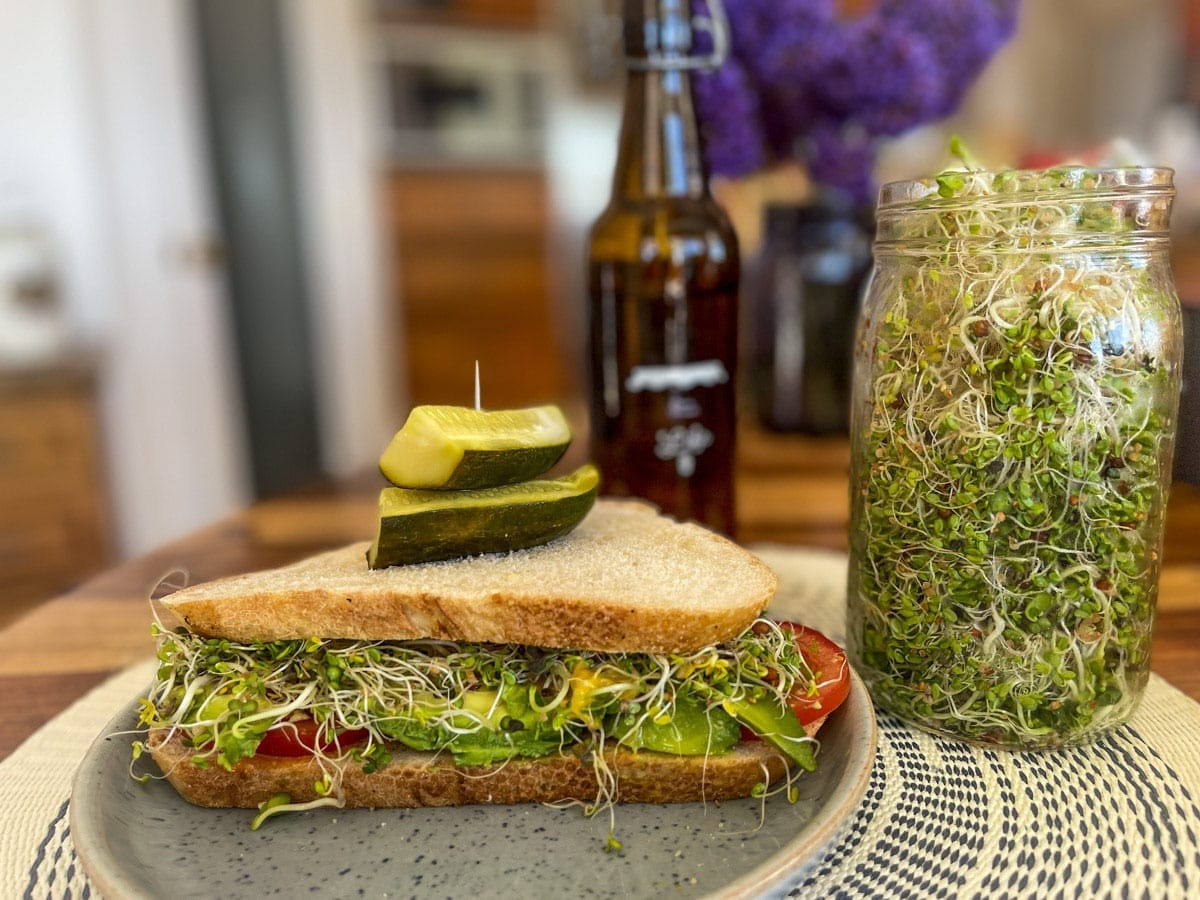
A healthy gut microbiome. This can improve digestion, reduce inflammation, alleviate oxidative stress.
- Increased nutrient bioavailability.
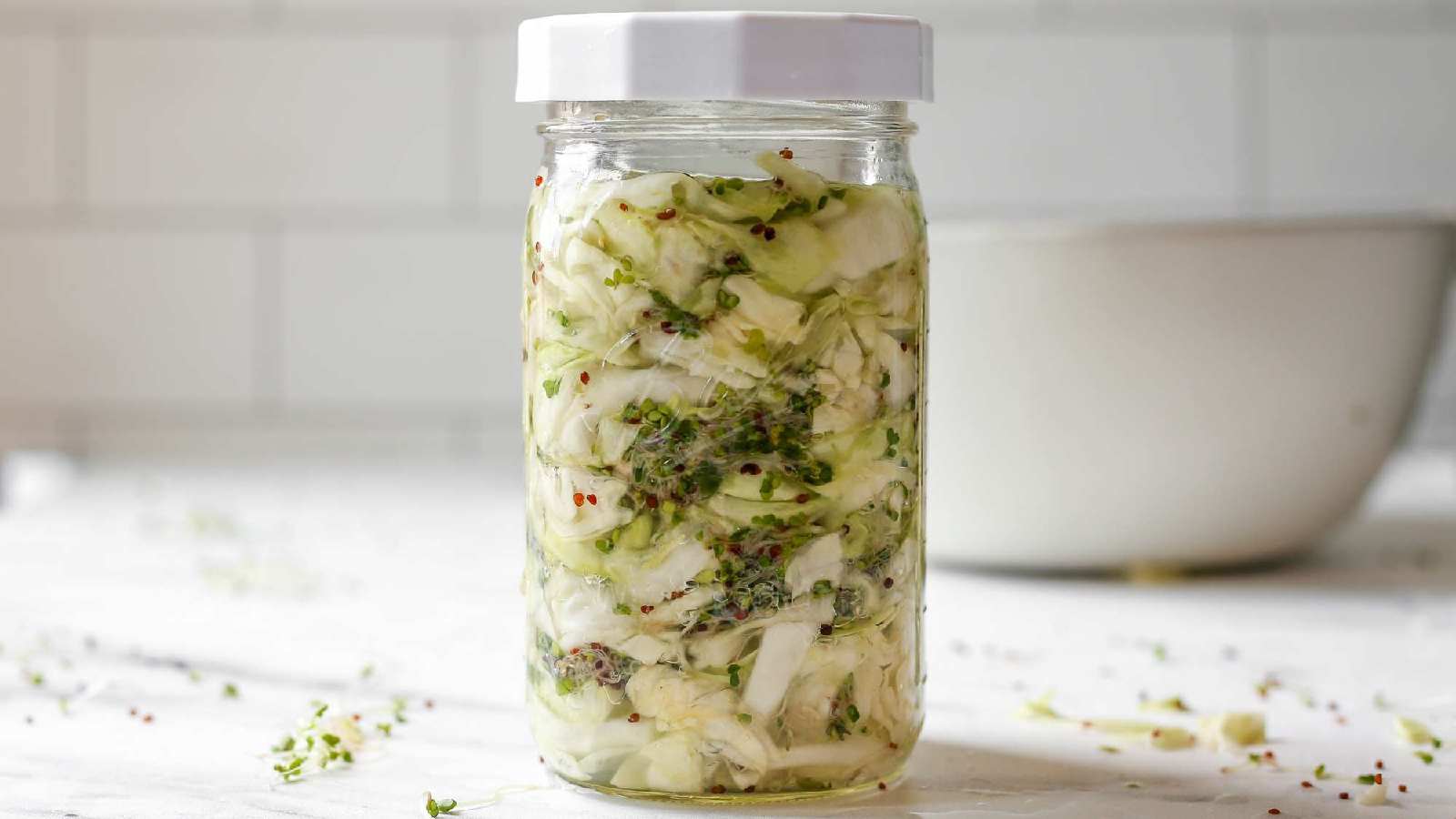
Sprouting process already breaks down anti-nutrients, making vitamins minerals and proteins more absorbable.
Fermentation takes it further by boosting phenolic compounds, antioxidants, and digestibility.
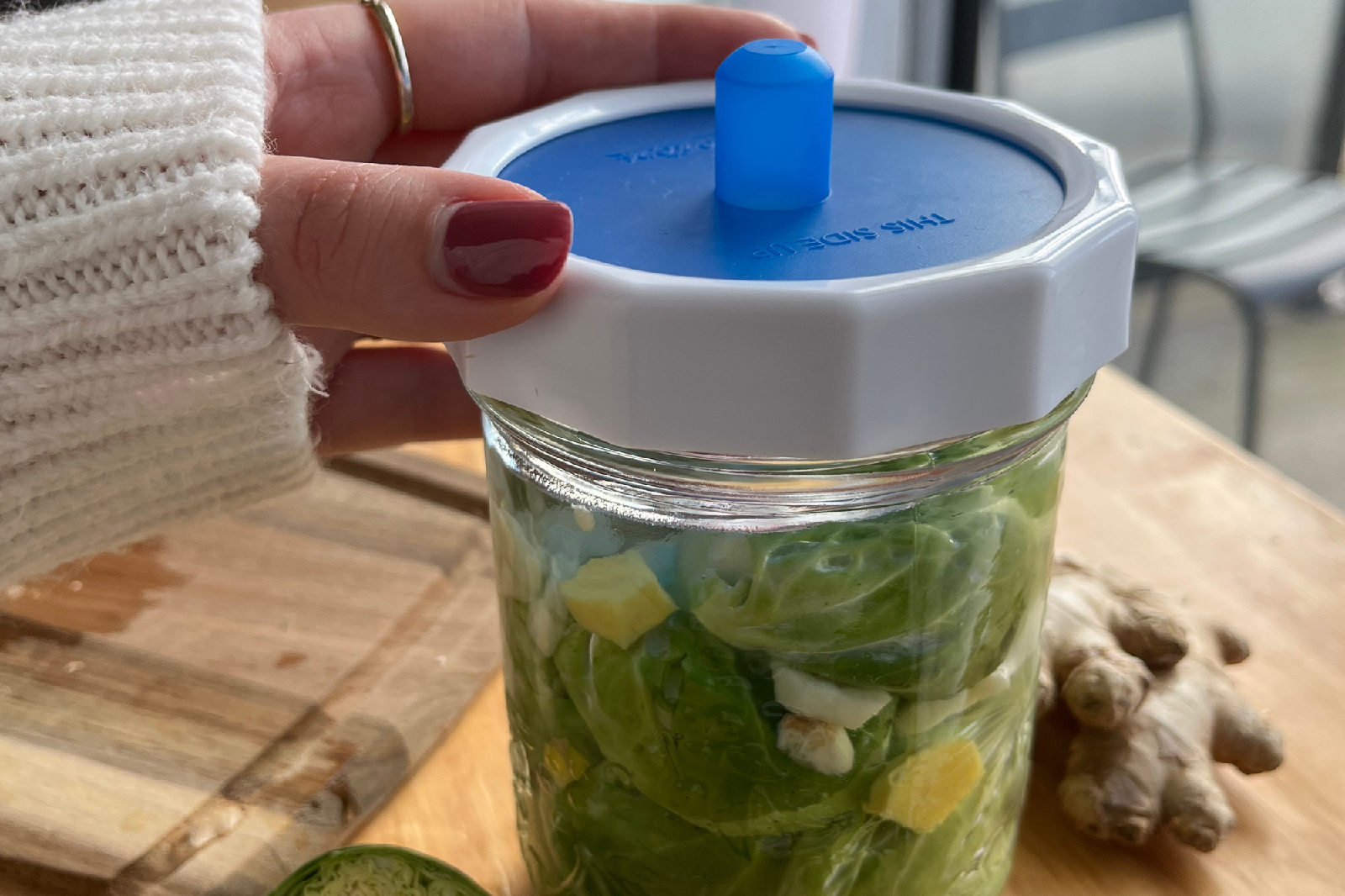
- Value addition to Normal sprouts.
Plain sprouts are nutrient-dense but lack probiotics. Fermentation adds microbial diversity, improves sensory qualities and extends shelf life naturally.
- Overall balanced diet.
Regular consumption may aid heart health, weight management, and microbial balance—making them a modern functional food trend
- Higher Antioxidant and Anti-Inflammatory Effects.
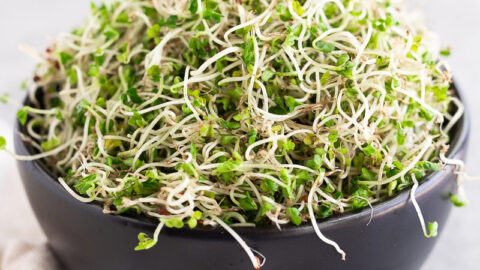
The combo elevates compounds like sulforaphane in brocolli sprouts, which support detoxification and may reduce cancer risk.
Fermented versions show stronger anti-inflammatory properties in animal studies.