
Because it is required in small amounts, delivering boron to a crop with even distribution is a challenge. Traditionally, small quantities of boron fertilizer are blended with P and K products and spread in a single application
It's essential for plant health, aiding calcium absorption and root development.
Despite the need for this critical nutrient, B is the second most widespread micronutrient deficiency problem worldwide after zinc.
Major functions of boron in the plants
Plant Metabolism: Involved in hormone production and balance plus new cell formation.
Nutrient Transport: Helps moves nutrients, water with xylem tissue and enhances calcium absorption from the soil to roots.
Reproduction: Essential for flowering, pollen germination, and fruit development. Cell Structure: Forms part of plant cell walls, providing structural support and integrity. Boron deficiency symptoms Flower and fruit dropping.
Boron deficiency commonly results in empty pollen grains, poor pollen vitality and a reduced number of flowers per plant.
Stunted or malformed fruit development.
High rates of young fruit abortion or flower drop drop or poor fruit set.
Stunted growth.
Shortened internodes makes the stunted growth between leaves and Abnormal growth or mottled chlorosis / yellowing on young leaves.
In severe cases, the growing point apical meristem dies, leading to stunted terminal growth or grayish dead tissue at the tip.
Malformation of leaves, flowers, and fruits.
Roots may be short and stubby and
Symptoms can appear patchy or randomly in the field.
Chlorosis / yellowing of laves.
Young leaves become distorted, crinkled, deformed or curled.
Malformation of leaves, flowers, and fruits, its a economical crop damage
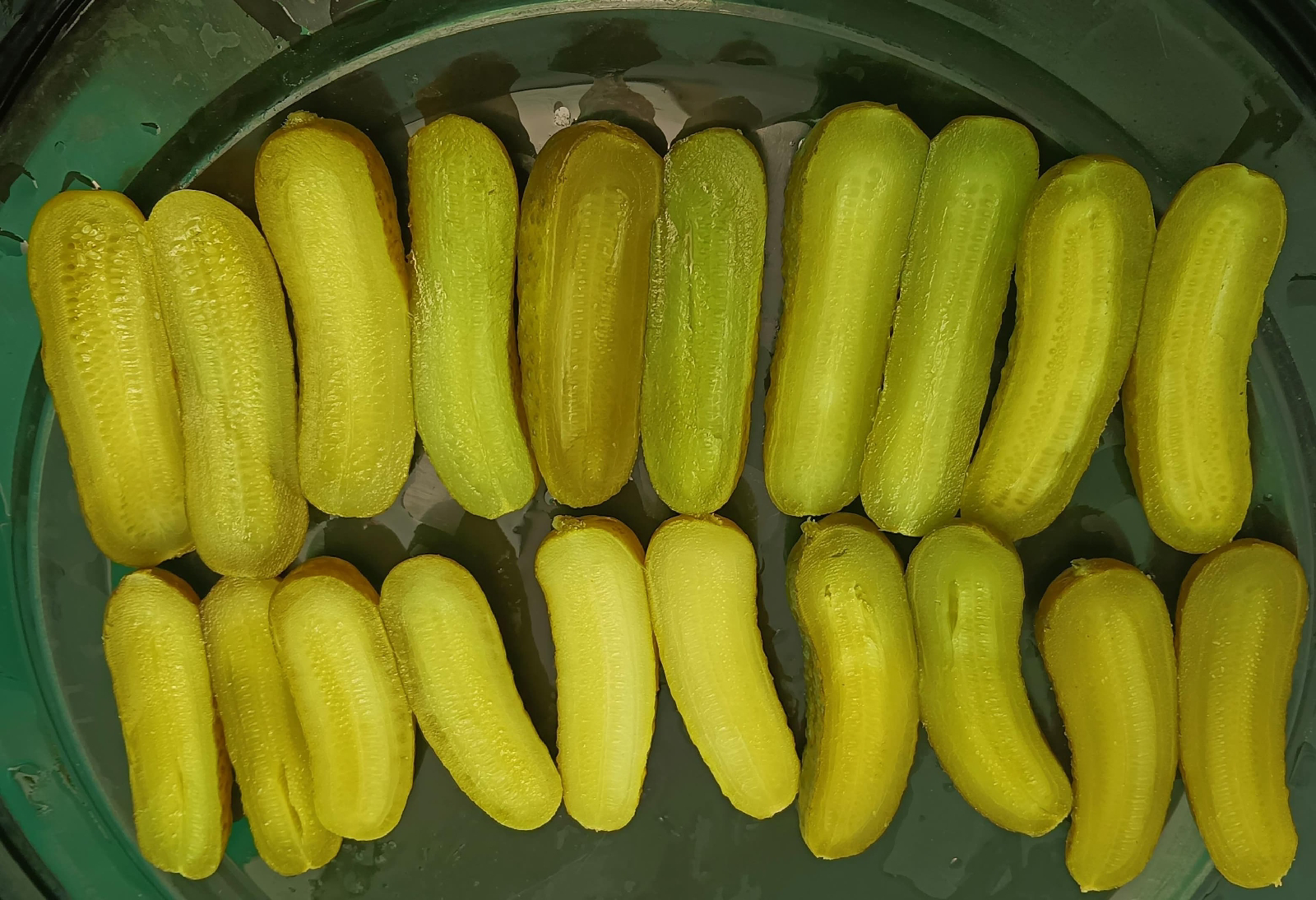
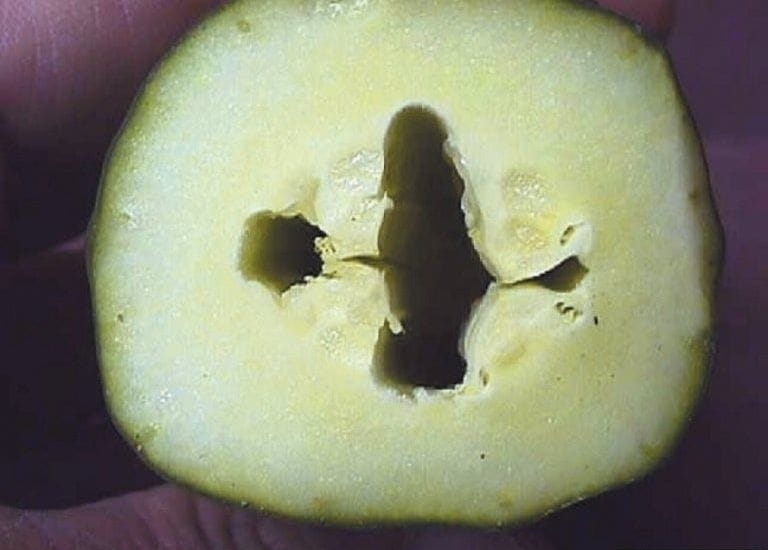
The water uptake for the plant system is imbalanced and have the plant vascular system with water stress and inadequate availability. Leads to fruits with hallow or bloaters formation during the pickling time during usage for the package and consumption.
Yellow or mottled longitudinal streaks on the rind on skin of developing mature fruit.
These streaks turn corky or scurfy, rough, thickened, brown/ corky areas, reducing market value.
Stunted or malformed fruit development.
High rates of young fruit abortion /dropping or poor fruit set.
What are the causes of boron deficiency in soils of plant crop cultivation.
Low soil boron levels, common in sandy, low-organic-matter, or heavily leached soils.
High pH soils, over-liming reduces boron availability.
Dry conditions or irregular irrigation leads to boron uptake depends on water movement.
Intensive cropping without micronutrient replenishment or IPM.
Methods to impart for proper boron micronutrient available for the Gherkins crop.
Always test soil/plant tissue first — the range between deficiency and toxicity is narrow.
Base applications on soil tests, aim for adequate levels. often >0.5–1 ppm hot water extractable methods and or leaf tissue analysis as target 30–60 ppm B in leaves for good quality.
Foliar sprays: For quick correction, use borax at ~100 g/100 L water or equivalent boron product. Apply carefully to avoid toxicity.
Soil application: Broadcast boron as borax or solubor at low rates — typically 0–0.5 lb B/acre, consult local soil tests reports. Avoid excess, as boron toxicity is common and causes leaf edge burn /yellowing.
Drop irrigation : Apply through drip systems for even distribution as 150g/acre.
In hydroponics/soilless systems: Maintain nutrient solution at ~0.3 ppm boron.
If you're seeing these symptoms in your gherkin crop in AP, north Karnataka or nearby areas, consider soil pH and irrigation practices, as boron availability can be affected in Indian soils. For precise recommendations, consult local agricultural extension services or conduct tissue/soil testing.